Introduction
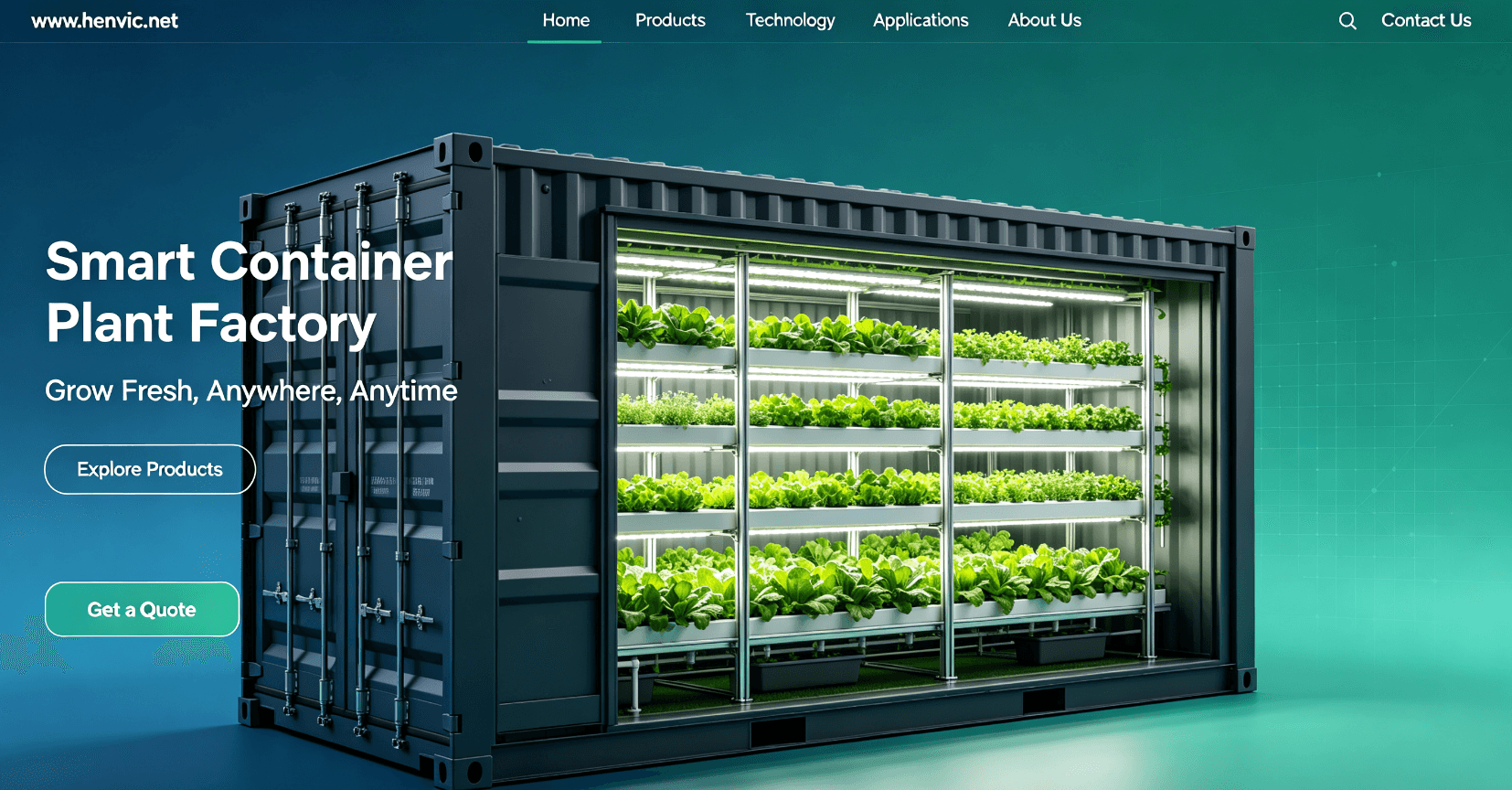
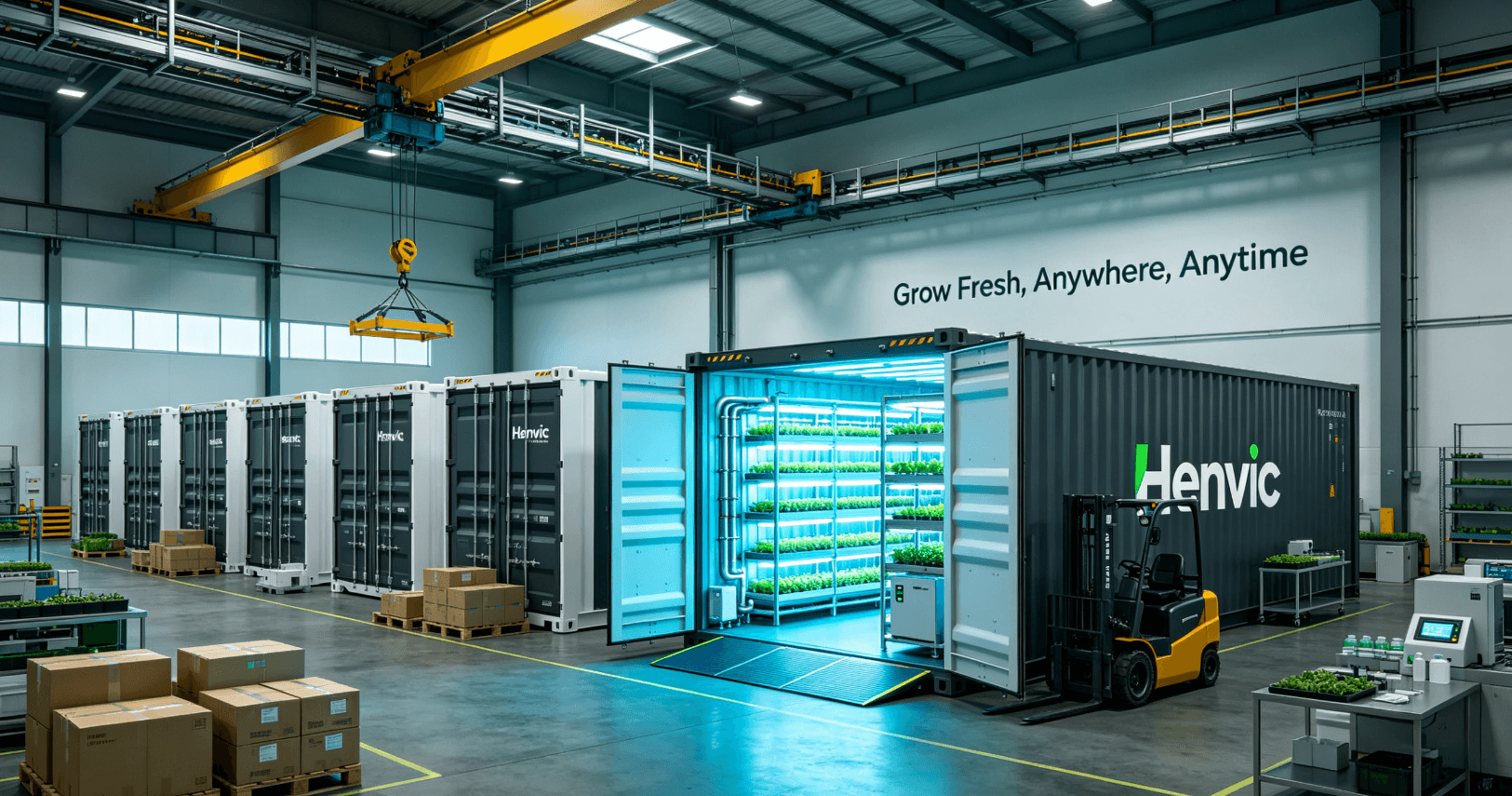
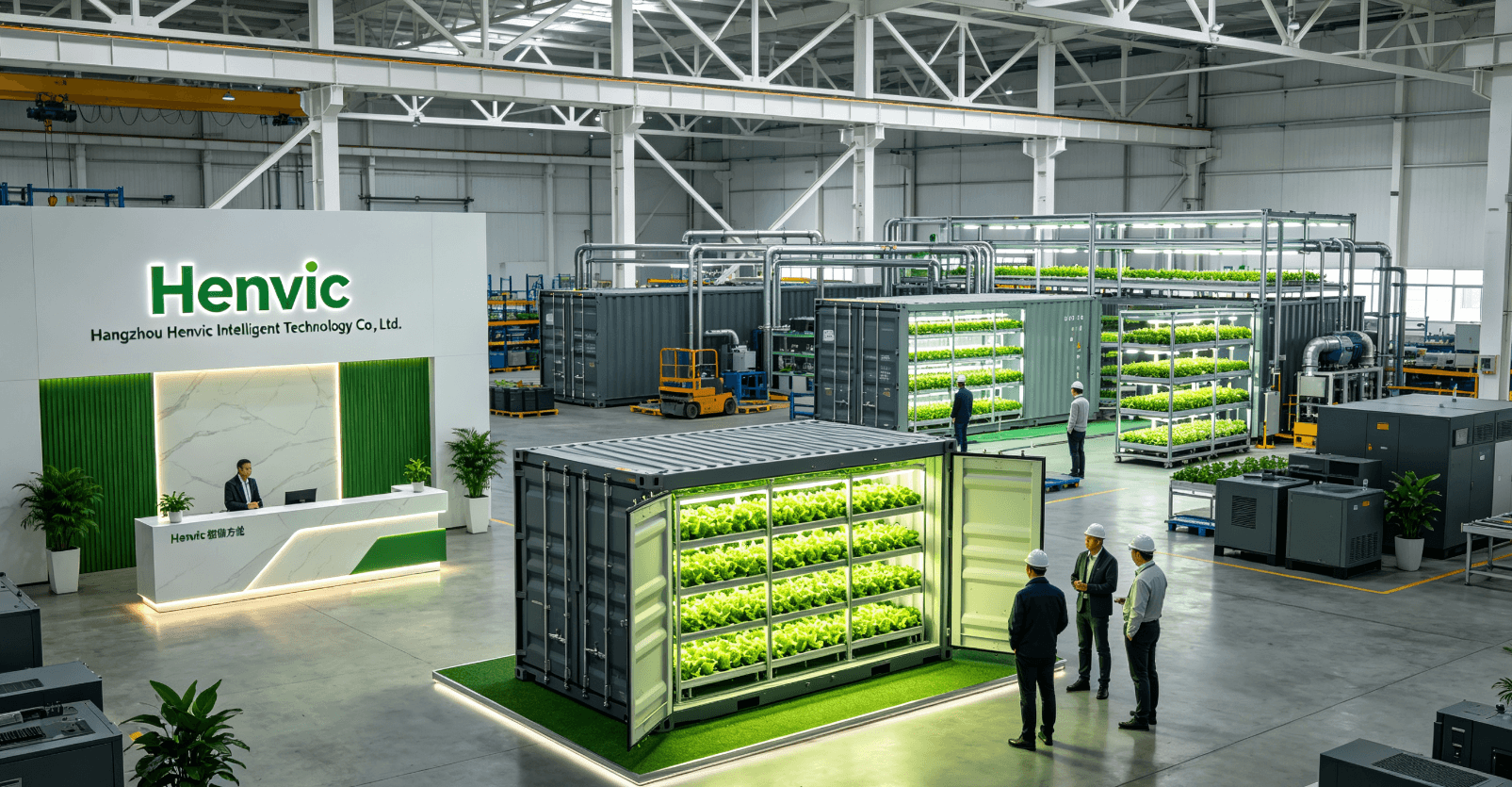
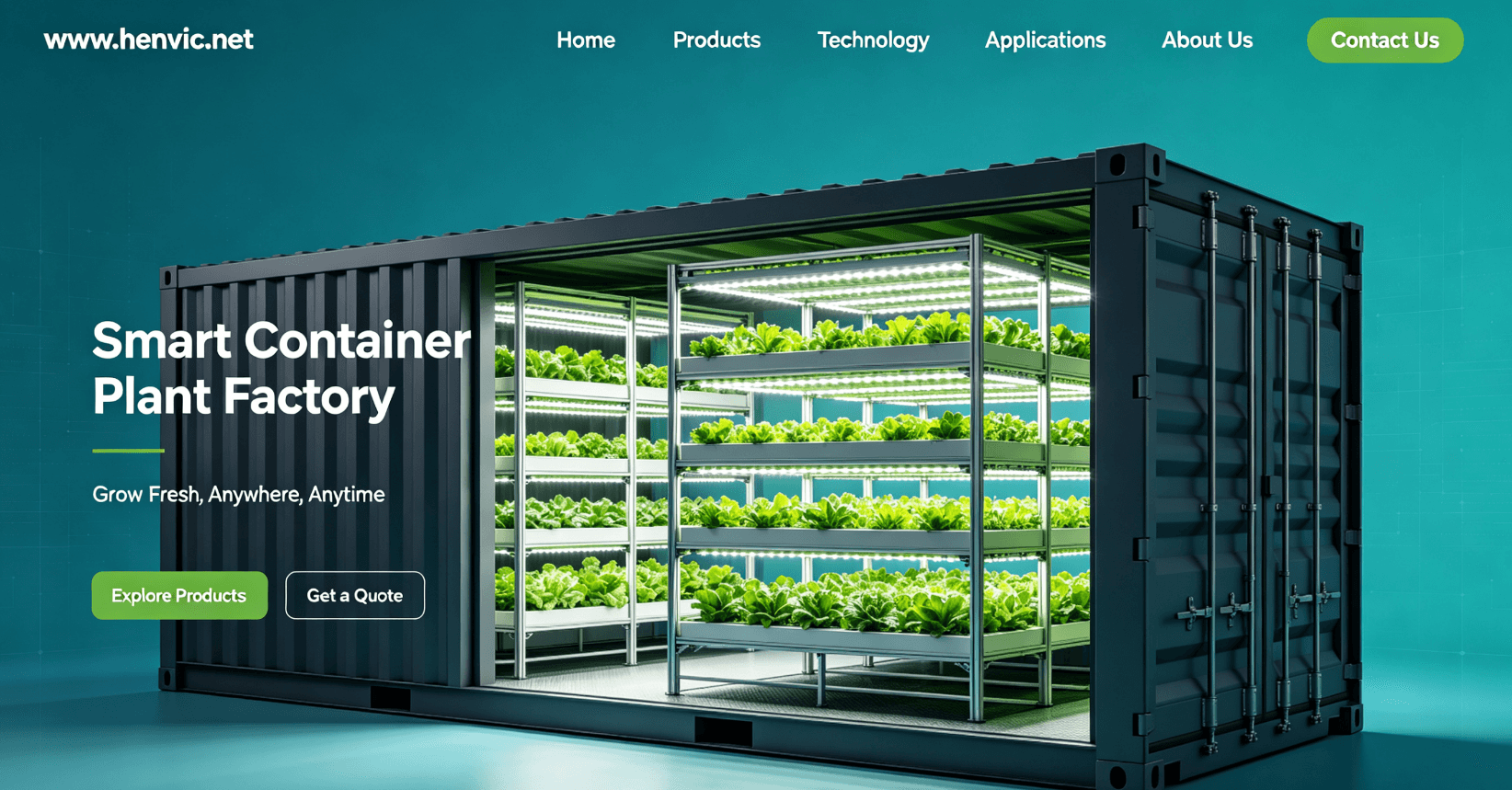
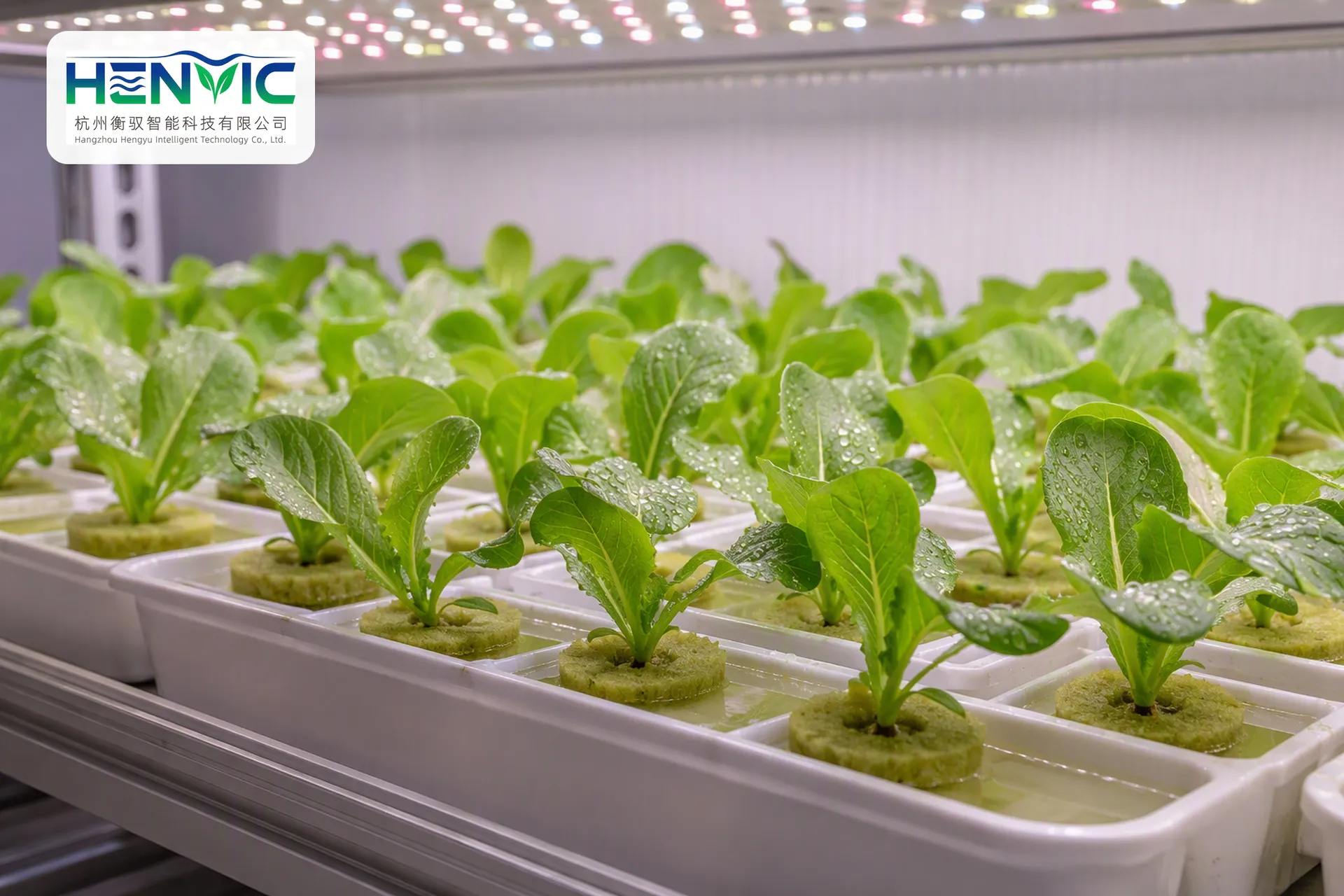
In recent years, vegetable cultivation containers—often referred to as modular plant factories or smart farming boxes—have rapidly gained prominence globally in response to urbanization, shrinking arable land, and growing demands for food security. By utilizing advanced IoT technology, climate control systems, and soil-less cultivation methods, these containers have transformed traditional agriculture into a precise, controllable industrial process. To understand how this technology is applied across the globe, this article explores several prominent international case studies that demonstrate the diverse applications and economic viability of vegetable cultivation containers.
1. Japan: AeroFarms and the Evolution of Urban Vertical Farming
Japan has long been an island nation with limited agricultural land, making it an early adopter of indoor farming. Among the most notable developments is the integration of containerized vertical farms into highly urbanized environments.
AeroFarms (originally operating in Asia and the U.S., with profound influence on Japanese urban farming) is a prime example. By utilizing aeroponic technology within climate-controlled containers, they mist the roots of leafy greens with a nutrient-rich solution. Unlike traditional soil farming, this method uses 95% less water and consumes significantly less space.
The defining feature of Japanese container farming is its intense focus on food safety and traceability. The containers are completely isolated from the external environment, preventing pesticide and soil contamination. The micro-climate—including light spectrum, temperature, and humidity—is meticulously monitored by AI algorithms. In a country highly prone to natural disasters, these containers guarantee a continuous, stable supply of safe leafy greens, effectively turning empty urban commercial buildings and warehouses into highly productive agricultural hubs.
2. The Netherlands: Wageningen University’s High-Tech Greenhouse Containers
It is widely recognized that the Netherlands is a global pioneer in agricultural technology. To combat generational challenges such as an aging farming population and climate unpredictability, institutions like Wageningen University have actively developed modular greenhouse containers equipped with big data and automation systems.
These advanced containers rely on advanced LEDs to simulate the complete spectrum of natural sunlight, while automated cooling and ventilation systems regulate the internal temperature to protect crops. The primary application spans high-value crops like specialty tomatoes, leafy greens, and edible flowers.
The most significant advantage of the Dutch approach is its drastic reduction in the need for manual labor. Through the integration of AI and specialized mechanical harvesting systems, intelligent agricultural systems empower a small number of technicians to manage large-scale container farms efficiently, helping to address the challenge of an aging farming demographic.
Moreover, the Dutch containers emphasize sustainability. Many integrate with rainwater harvesting systems and utilize substrates made from recycled organic waste, aligning perfectly with the nation's goal of achieving a fully sustainable and carbon-neutral agricultural sector.
3. United States: Plenty’s Urban Vertical Farming Containers
In major metropolitan hubs such as San Francisco and New York, the U.S. start-up Plenty has redefined vegetable cultivation through its highly customized commercial containers and vertical towers.
Plenty’s technology centers on vertical towers within highly sealed container facilities. These towers, supplied by sterile air and precisely distributed water and nutrients, offer a high-yield, fast-growth environment. The containers include dedicated hydroponic systems that operate with extremely low water usage.
One of the most compelling features of Plenty's model is its radical reduction of the agricultural supply chain. By placing their cultivation containers near the centers of major metropolitan areas, the time from harvest to consumer is minimized, ensuring peak freshness.
Economically, Plenty's smart farms have proven that cultivation containers can achieve industrial-scale profitability. By focusing on high-margin products, they have attracted substantial venture capital, proving to the global market that modular containers are a highly attractive commercial and investment opportunity.
4. Singapore: Sky Greens’ Revolution in Resource-Limited Agriculture
Singapore faces severe land scarcity, importing over 90% of its food. In response, companies like Sky Greens have engineered vegetable cultivation containers tailored to the constraints of an island nation.
Sky Greens' systems resemble rotating vertical carousels within a greenhouse-style container. This allows sunlight to evenly reach every leaf of the crops. The containers prioritize high-yield, fast-growing vegetables such as spinach, lettuce, and basil.
The most revolutionary aspect of Sky Greens’ design is its focus on extreme resource efficiency. Operating with minimal electricity, the rotational design promotes even plant growth and maximizes solar energy capture. By situating these containers atop multi-story supermarkets and city buildings, Singapore minimizes the environmental impact of long-distance food transportation and substantially increases national food self-sufficiency for fresh produce.
Conclusion
The global cases above vividly illustrate the profound impact of modern vegetable cultivation containers. Whether in the technological rigor of Japan, the smart automation of the Netherlands, the commercial innovation of the United States, or the efficiency-first approach of Singapore, container agriculture represents a significant leap in human food production.
By providing predictable, climate-resilient, highly localized agricultural capacity, these containers not only overcome geographical limitations but also mitigate environmental impacts. As hardware costs continue to decline and AI management becomes more accessible, vegetable cultivation containers are poised to become a vital component of the future global agricultural landscape.