I. Introduction: Redefining Fungal Cultivation
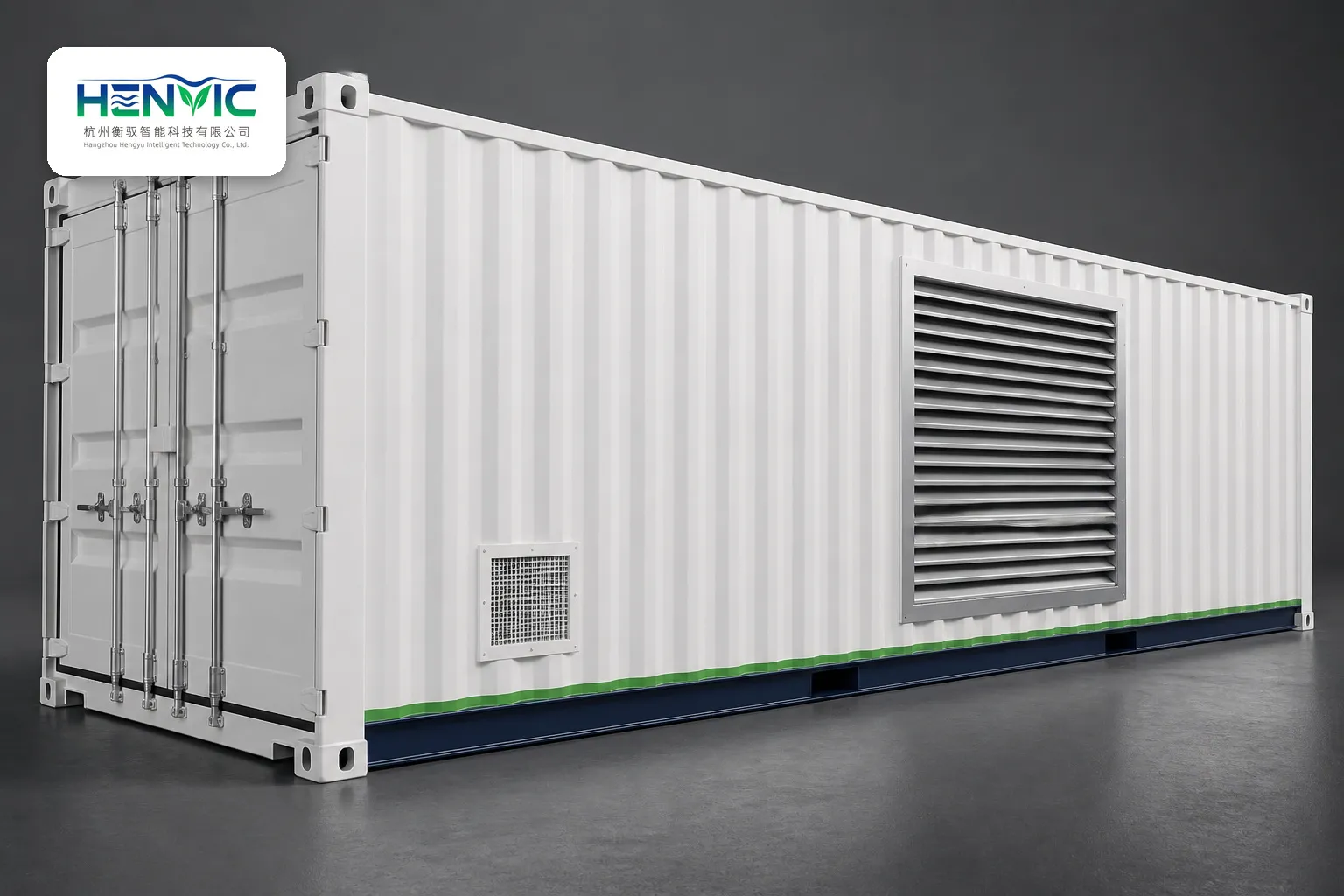
In the landscape of modern horticulture, the image of mushrooms growing in dark, damp basements or rural earthen sheds is gradually being replaced by a more advanced and efficient model—Mushroom Cultivation Containers (Mushroom Pods/CEA Containers). These are customized shipping containers transformed into high-tech factories, dedicated to the cultivation of edible and medicinal fungi such as shiitake, pearl oyster, lion's mane, and enoki mushrooms. By leveraging Controlled Environment Agriculture (CEA) technology, these containers decouple mushroom production from natural climate reliance, ushering in an era of year-round, high-yield, and standardized fungal cultivation.
II. Core Technical Architecture
Unlike leafy greens that rely heavily on photosynthesis, mushroom cultivation is a complex biochemical process centered on the growth of mycelium (the root-like structure) and the fruiting phase. To optimize this biological cycle, mushroom containers are equipped with highly specialized technical systems:
1. Advanced HVAC & Thermal Management
Temperature is the lifeblood of mushroom cultivation, but the requirements shift dramatically between growth phases.
- Spawn Run Phase: The container is maintained at a slightly warmer temperature (typically 22°C–25°C) to accelerate mycelial colonization of the substrate.
- Fruiting Phase: Once the substrate is fully colonized, the temperature is cooled (usually to 15°C–18°C) to trigger the formation of the fruiting body (the actual mushroom). A high-precision HVAC system with zoned climate zones manages these thermal shifts with an accuracy of ±0.5°C.
2. Microclimate: Humidity, VPD, and Airflow
Fungi breathe through their surface, making ambient moisture and airflow critical.
- Humidity Control: Mushrooms require an extremely high relative humidity (85%–95%) to prevent substrate drying and support cap expansion. Ultrasonic humidifiers and misting nozzles are calibrated to maintain this narrow band.
- Vapor Pressure Deficit (VPD): Advanced sensors monitor VPD to balance humidity with temperature, optimizing water uptake without inducing rot.
- Airflow Management: Mushrooms release significant amounts of carbon dioxide. Variable frequency drive (VFD) fans circulate air and exhaust stale air, preventing CO2 accumulation which would otherwise cause long-stemmed, malformed mushrooms.
3. Spectral Lighting Triggers
While mushrooms do not perform photosynthesis, light acts as a biological switch. Modern containers utilize full-spectrum LED arrays to simulate specific light cycles. By "switching on" the lights for 12 hours a day, the system signals the mycelium to initiate pinning (the tiny mushroom precursors), ensuring a synchronized and uniform harvest.
4. Smart IoT & SCADA Integration
At the brain of the operation lies a centralized smart controller. This system integrates digital sensors for CO2, temperature, humidity, and even substrate moisture. Using data analytics and PLC logic, the system autonomously adjusts climate parameters, tracks crop performance, and generates reports—transforming a labor-intensive, experience-based art into a rigorous, data-driven science.
III. Technical Advantages Over Traditional Cultivation
The conversion of traditional mushroom sheds into stainless-steel containers offers a clear technical leap:
- Sterile Environment Isolation: The enclosed container provides a physical barrier against external pests (such as flies, mites, and phorid flies) and airborne pathogens. Fume filtration systems ensure sterile air exchange, drastically reducing contamination rates and eliminating reliance on chemical pesticides.
- Resource Efficiency: By decoupling from arable land, these containers can be stacked or placed in urban alleyways, rooftops, or industrial gaps. The sterile runoff collection system recycles water and prevents environmental pollution from nutrient-rich spent substrate.
- Cycle Acceleration: The precision of the environment accelerates biological cycles. For instance, the mycelial "spawn run" phase is shortened, leading to faster and more frequent harvest cycles compared to traditional seasonal farming.
- Diversity and Modularity: The modular nature of containers allows a single farm to dedicate specific containers to different mushroom species, switching climate programs instantly to meet varying market demands for crops like shiitake or reishi.
IV. Industry Applications and Future Direction
Mushroom cultivation containers are currently finding broad applications across several sectors:
- Urban Agriculture & Local Supply: Containers serve as micro-factories in city peripheries, supplying supermarkets and restaurants with ultra-fresh, locally grown mushrooms that maintain peak texture and flavor.
- High-Value Medicinal Fungi: Beyond food, there is a rising demand for medicinal mushrooms (like Lion’s Mane and Cordyceps). The controlled precision of a container is ideal for standardizing the bioactive compounds required for pharmaceutical and wellness markets.
- Advanced Research & Education: Universities and agricultural demonstration parks utilize container modules to study fungal biology, perform disease resistance trials, and train modern CEA technicians.
Looking ahead, the convergence of mushroom containers with AI and Robotics will be the defining trend. Vision systems will monitor mushroom maturity to trigger automated harvesting, while AI algorithms will continuously refine "grow recipes" to maximize yield and tailor nutritional profiles.
V. Conclusion
Mushroom cultivation containers represent a paradigm shift in mycological science. By transcending the limits of traditional seasons and geographies, this technology not only secures a stable supply of high-quality protein but also fundamentally changes the efficiency and sustainability of the entire agricultural ecosystem. As the cost of sensors and automation decreases, this humble shipping container is poised to become the industry standard for the next generation of mushroom farming.