Abstract
As the global demand for fresh, healthy, and safe microgreens and sprouts continues to escalate, farmers are increasingly turning to innovative agricultural technologies to overcome traditional limitations. Containerized cultivation technology, which integrates controlled environment agriculture (CEA) with modular engineering, has emerged as a transformative solution for urban and distributed farming. This article systematically analyzes the design principles, core components, and operational workflows of containerized systems for growing sprouts and microgreens. By examining precise environmental control mechanisms—including lighting, irrigation, and climate modulation—this paper highlights the significant advantages of containerized technology in terms of yield, food safety, and spatial efficiency. Furthermore, it discusses the economic feasibility and future trends of this technology, providing valuable insights for the sustainable and smart modernization of the microgreen and sprout industry.
Keywords: Containerized technology; Microgreens; Sprouts; Controlled Environment Agriculture; Modular farming; Smart agriculture
1. Introduction
Sprouts and microgreens, recognized for their dense nutrient profiles, rapid growth cycles, and appealing flavors, have rapidly gained popularity in modern consumer markets[1]. However, conventional open-field cultivation of these crops is highly vulnerable to climatic variations, seasonal constraints, and environmental contamination, which frequently result in inconsistent quality and unpredictable yields. In response to the growing need for reliable, high-quality, and year-round food production, containerized cultivation has proven to be an ideal platform. By transforming standard shipping containers into highly controlled micro-farms, this technology decouples crop production from traditional arable land, paving the way for sustainable and localized food supply chains[2].
2. Core Design and Components of Containerized Systems
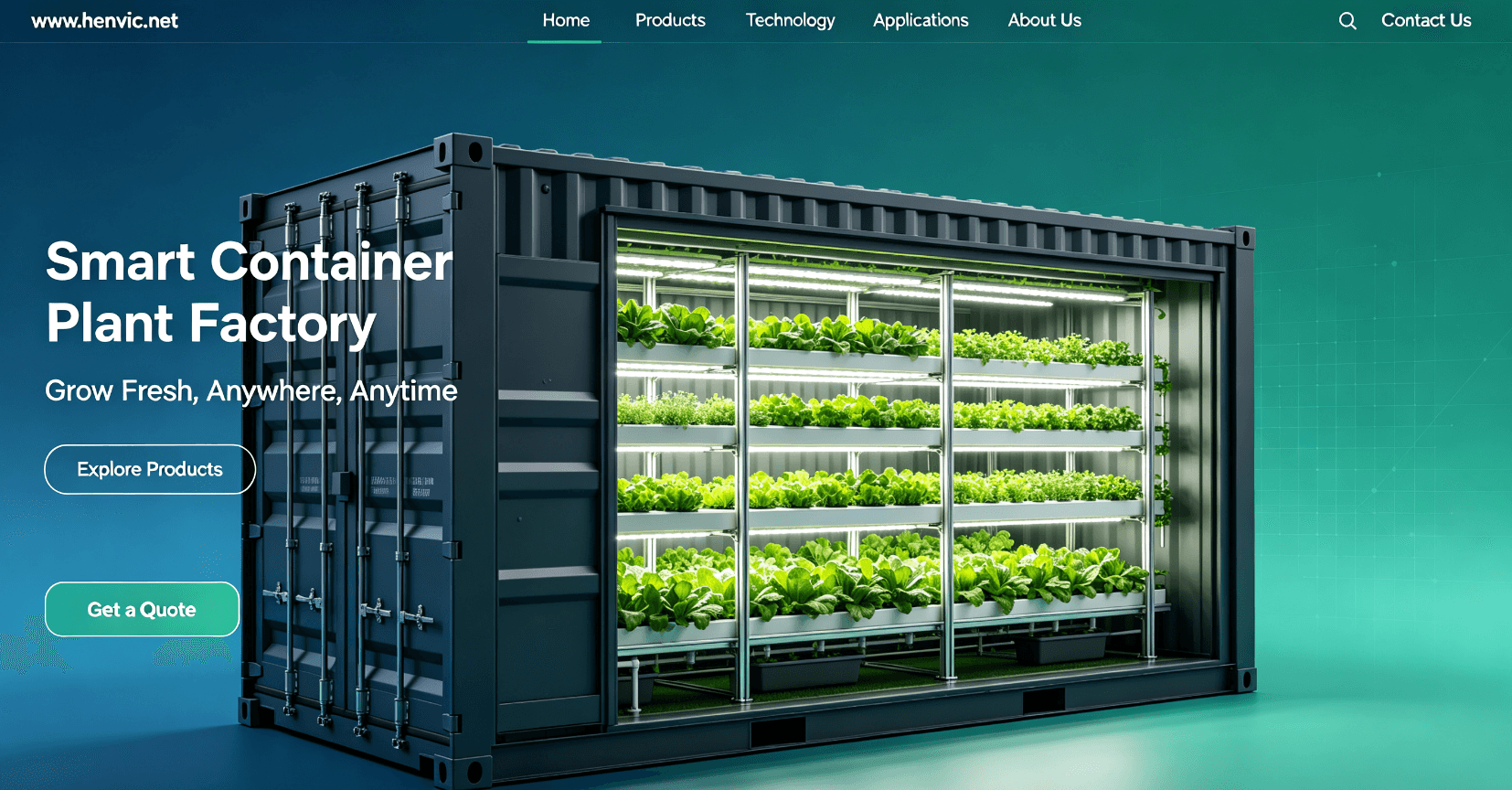
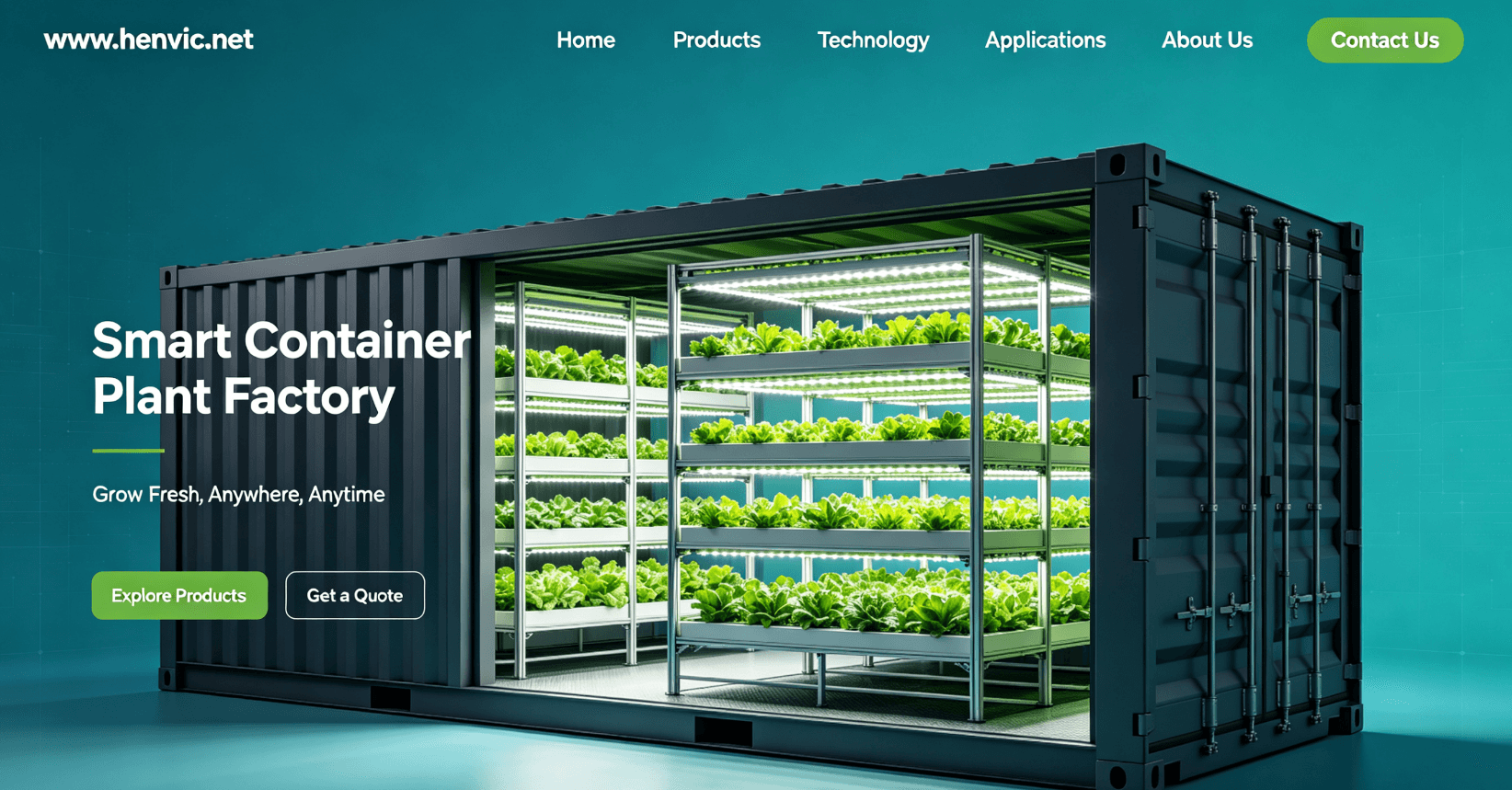
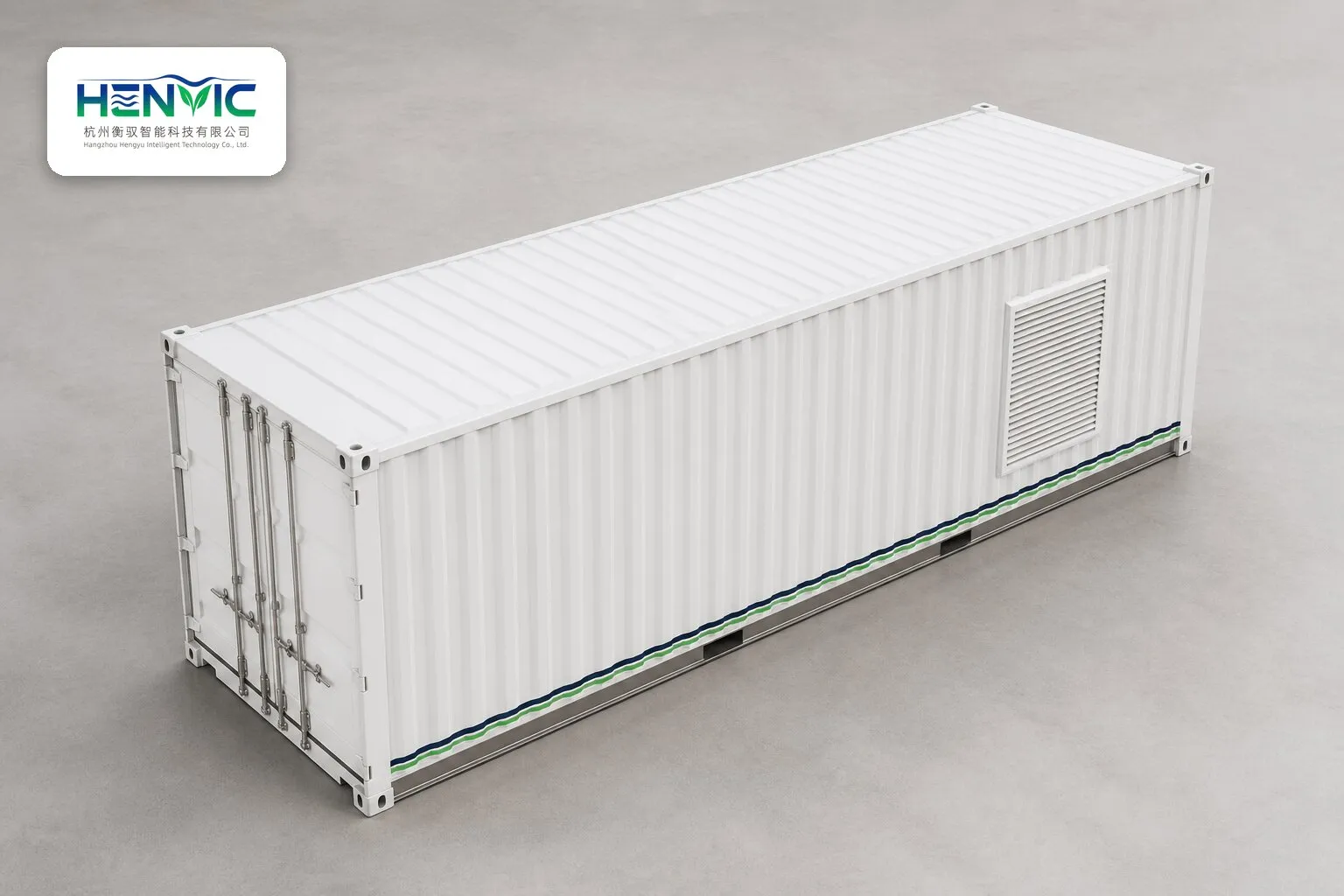
A standard containerized farm for growing sprouts and microgreens is essentially a self-contained, fully enclosed biological reactor. The system primarily comprises several highly integrated structural and functional components.
2.1. The Structural Enclosure
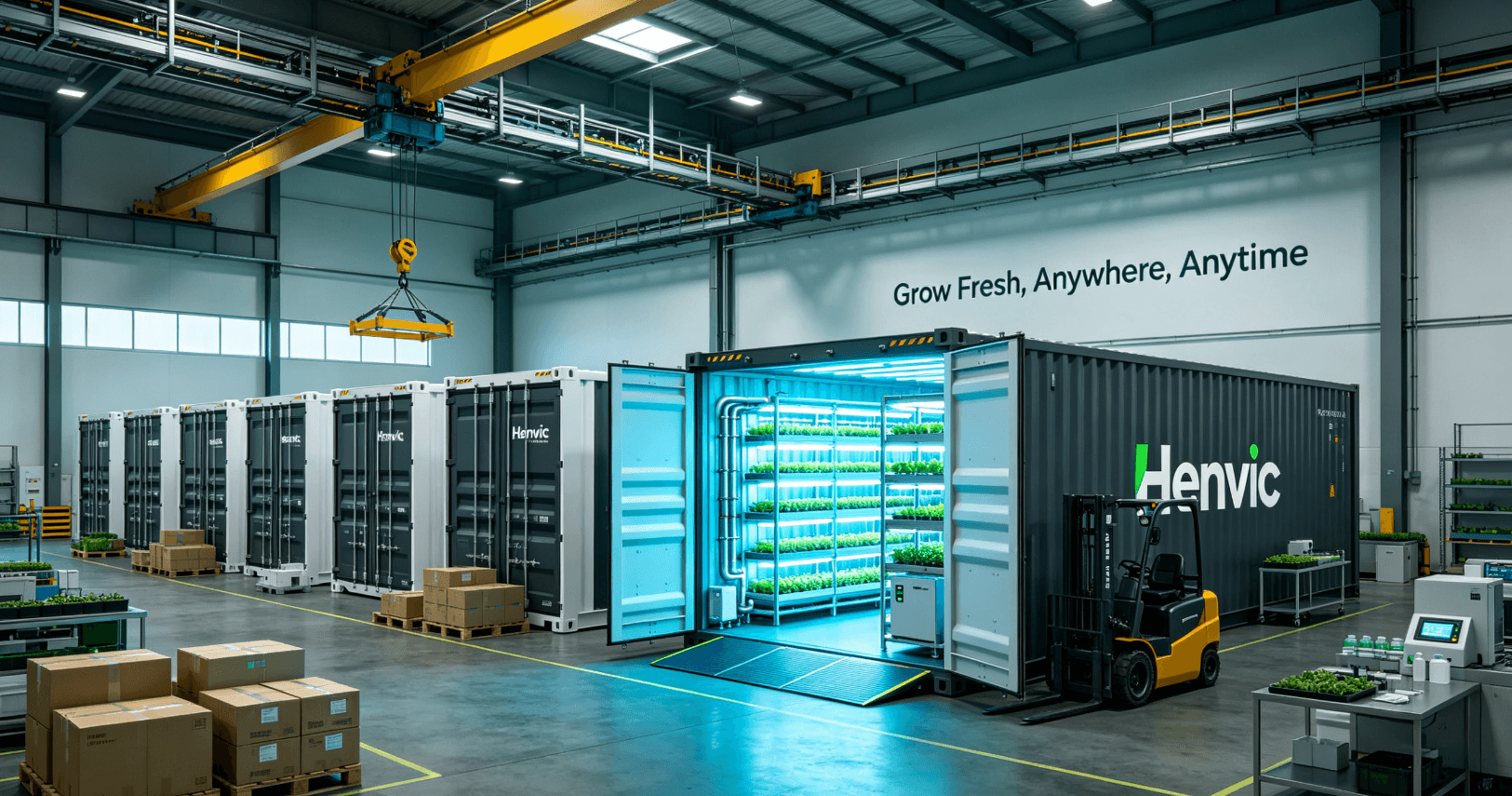
To serve as an efficient cultivation environment, the container must possess superior thermal insulation and excellent sealing characteristics. Typically constructed from corrosion-resistant materials such as galvanized steel or aluminum alloy, the exterior is fitted with high-density insulation panels, while the interior walls utilize waterproof, reflective materials to retain heat, reduce moisture loss, and maintain a clean cultivation space[3].
2.2. Climate Control Module
The climate module represents the "lungs and skin" of the containerized system. It typically consists of HVAC (Heating, Ventilation, and Air Conditioning) units, humidifiers, and internal air circulation fans. These components work synergistically to maintain a stable temperature and humidity level, which is critical for maximizing the growth rate of sprouts and preventing the wilting of delicate microgreen leaves[4].
2.3. Precision Lighting System
Light is an indispensable energy source and a vital environmental regulator for photosynthesis. For microgreens, specific light wavelengths and photoperiods are required to stimulate pigment accumulation and biomass growth. The container is usually equipped with high-efficiency, low-heat LED grow lights. These lights are strategically mounted on adjustable moving rails to ensure uniform illumination and consistent canopy development across all growing racks[5].
2.4. Smart Irrigation and Nutrient Delivery System
Sprouts and microgreens require abundant, clean water. The containerized system employs an automated, closed-loop irrigation network featuring fine misting nozzles. Using precision drip or fogging techniques, the system delivers optimally formulated nutrient solutions directly to the root zone. This closed-loop design not only minimizes water usage drastically compared to soil farming but also prevents nutrient leakage and the growth of unwanted pathogens[6].
3. Key Environmental Control Strategies
Achieving high yields of premium microgreens and sprouts necessitates the meticulous modulation of environmental parameters. Containerized technology excels in this regard by offering granular control over the following factors.
3.1. Temperature Modulation
Temperature significantly affects seed germination and plant metabolism. Generally, a controlled temperature ranging from 18°C to 22°C is ideal for most microgreens and sprouts. The closed thermal envelope of the container ensures that external weather fluctuations do not disrupt this stable temperature, accelerating the harvest cycle and ensuring consistent crop quality.
3.2. Humidity Regulation
Maintaining proper humidity is crucial for seed coating rupture and leaf tissue hydration. Containerized systems use programmable humidifiers to maintain relative humidity between 65% and 80%. Automated air circulation simultaneously prevents localized condensation, mitigating the risk of bacterial infections and fungal diseases such as damping-off[7].
3.3. Ventilation and Gas Exchange
As plants grow, they consume oxygen and emit carbon dioxide. The container's ventilation system introduces fresh, filtered air to replenish oxygen levels and remove excess ethylene and humidity. A well-regulated airflow ensures a healthy, robust micro-canopy and prevents the formation of mold, which is particularly prevalent in closed environments with high moisture content.
4. Operational Workflow and Management
Operating a containerized microgreen farm requires a standardized protocol to maximize efficiency and product consistency.
4.1. Seed Selection and Preparation
The process begins with selecting high-germination, disease-free seeds. Due to the enclosed and highly controlled nature of the container, organic or non-GMO seeds can be cultivated to meet premium market demands.
4.2. Precision Planting
To maximize spatial efficiency, multi-tier vertical racks are installed within the container. Seeds are evenly sown onto specially designed, reusable trays equipped with hydroponic substrates or growing mats. The compact footprint of the container allows operators to produce a high volume of produce within a single production cycle.
4.3. Automated Cultivation
Once the racks are in place, the entire cultivation cycle is managed via a centralized control interface. The IoT-based system automatically adjusts lighting schedules, irrigation frequencies, and ambient conditions according to preset growth curves for different crop species.
4.4. Harvesting and Post-Harvest Processing
Because sprouts and microgreens reach maturity in a short time (typically 7 to 25 days depending on the variety), the container achieves a continuous "production line" effect. Mechanized harvesting systems or well-organized manual harvesting processes ensure the produce is collected at peak freshness, maintaining high shelf life and nutritional integrity[8].
5. Advantages of Containerized Cultivation in the Sprout Industry
The adoption of containerized technology offers unprecedented benefits compared to traditional farming methods.
5.1. Enhanced Food Safety
Microgreens and sprouts are notoriously susceptible to contamination from soil-borne pathogens and environmental pollutants. The sterile, enclosed nature of the containerized environment, combined with sterilized hydroponic media, eliminates soil residues, pesticides, and wild microbes, ensuring superior food safety.
5.2. Unparalleled Spatial Efficiency
The modular, vertical design allows for tremendous output per square meter. By utilizing the full internal volume of a standard shipping container, growers can produce an equivalent yield that would traditionally require several acres of farmland, making it highly suitable for densely populated urban centers[9].
5.3. Year-Round Supply and High Returns
The favorable microclimate allows for continuous, all-weather production independent of seasons. Given the short cultivation cycle and high market value of microgreens, containerized farms can quickly turn over inventory, resulting in faster capital returns compared to traditional row crops.
6. Challenges and Future Trends
Despite its significant advantages, the containerized cultivation of sprouts and microgreens faces specific challenges. The primary barrier is the high initial investment in climate control systems and lighting hardware, coupled with the substantial energy consumption required to maintain precise environments.
Looking forward, the industry is poised for exciting innovations. The integration of artificial intelligence and big data analytics will allow systems to autonomously predict optimal growing conditions, further reducing labor and maximizing yields. Meanwhile, the incorporation of green energy solutions, such as photovoltaic panels and high-efficiency thermal storage materials, is expected to dramatically lower operational costs, driving the technology toward true sustainability[10].
7. Conclusion
Containerized cultivation technology represents a highly efficient and sustainable paradigm for growing sprouts and microgreens. By precisely controlling light, humidity, temperature, and nutrients within a modular enclosure, this technology overcomes spatial limitations and mitigates the risks associated with traditional agriculture. As smart farming technologies continue to advance and costs decrease, containerized microgreen production will play an increasingly vital role in establishing localized, resilient, and high-yield food systems for the future.