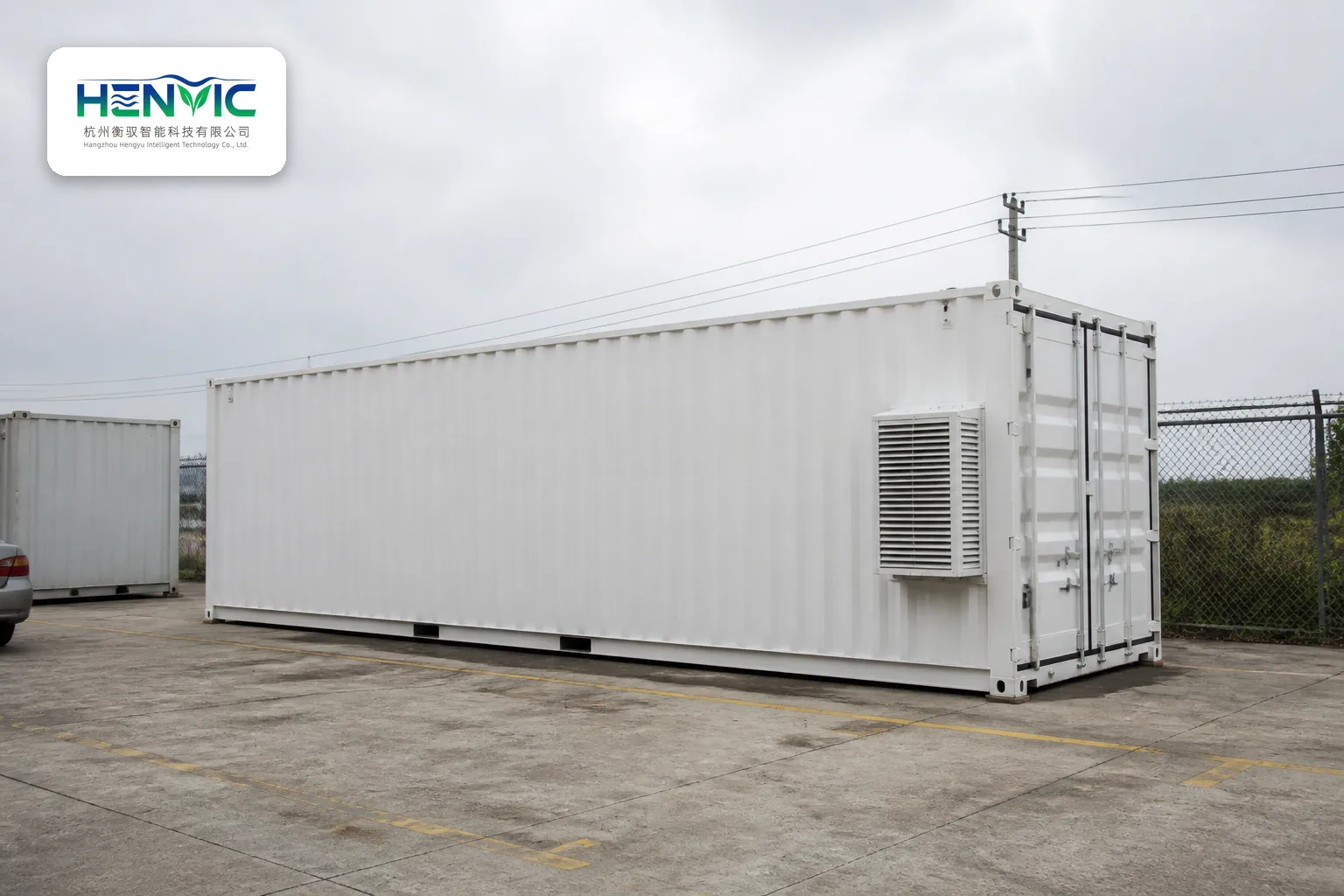
The cultivation container industry builds and operates sealed, transportable production chambers — almost always based on standard ten-, twenty- or forty-foot intermodal envelopes — in which light, temperature, humidity, carbon dioxide, airflow and nutrient delivery are closed-loop regulated so that crops can be grown independently of soil, season and outdoor climate. Its defining commercial proposition is not that it grows plants, but that it converts a weather-exposed biological process into a repeatable industrial one in which yield and quality are governed by setpoints and recipes rather than by rainfall and sunshine. The sector sits at the intersection of three otherwise separate industries: horticultural equipment manufacturing, commercial refrigeration and HVAC, and specialty food production.
What Defines the Category
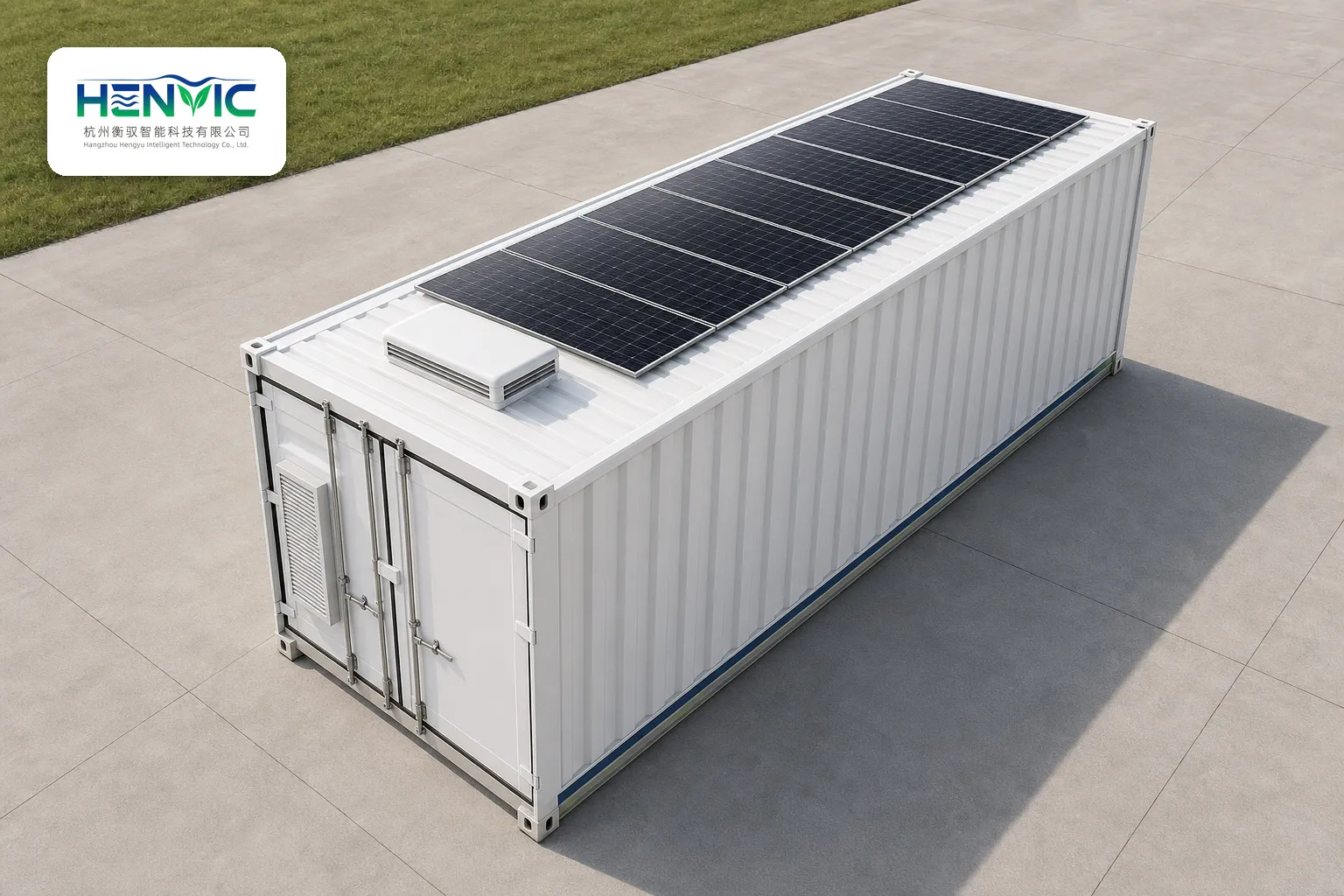
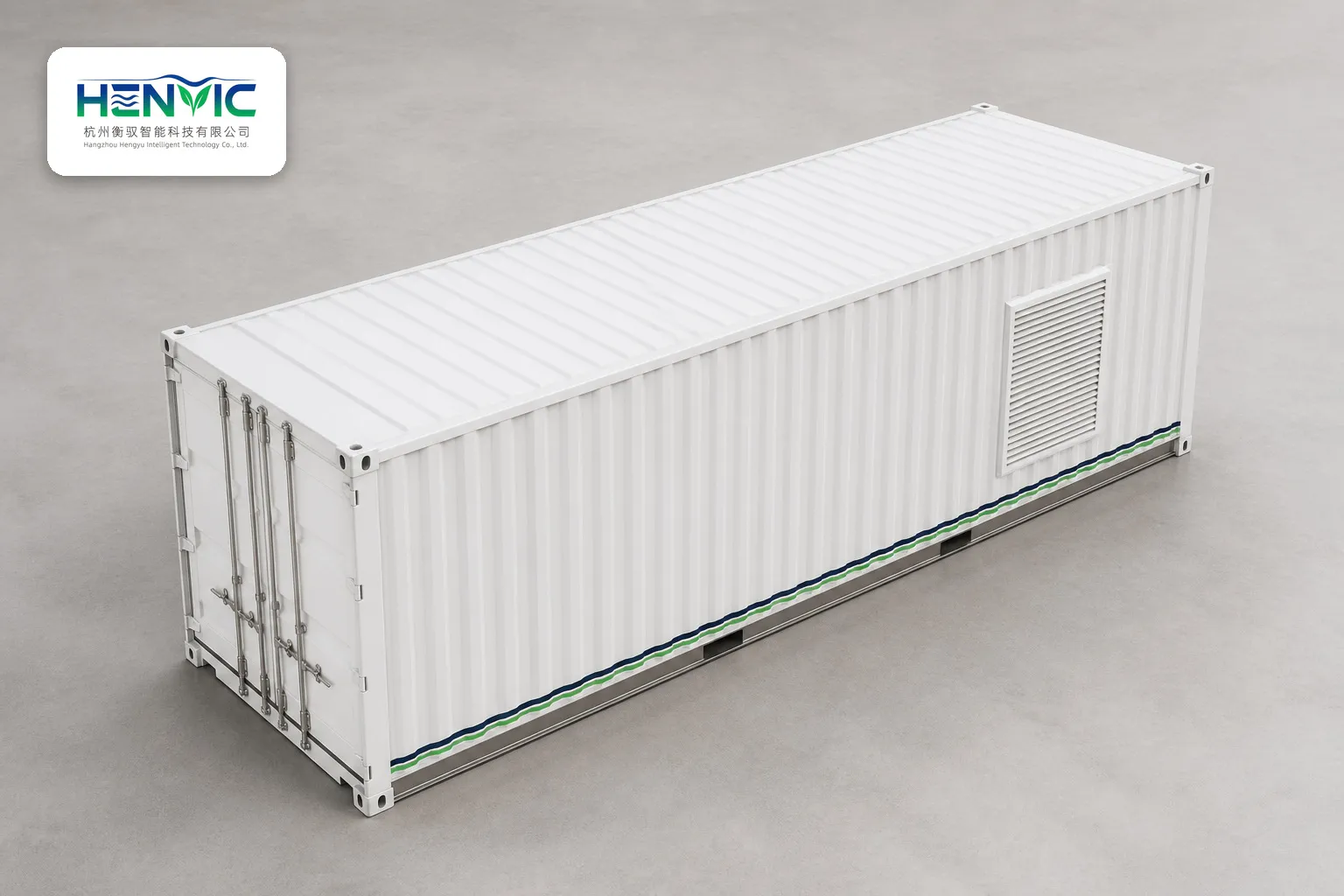
The category boundary matters, because it separates cultivation containers from adjacent technologies with which they are often confused. A cultivation container is not a greenhouse: the envelope is opaque, the light is synthetic, and the system is sealed against the outside atmosphere rather than ventilated by it. It is not a conventional vertical farm either, in the sense of a purpose-built building with permanent structure, dedicated electrical service and fixed real estate. The container's distinguishing property is that the entire production cell — envelope, racking, climate plant, controls and lighting — is prefabricated off-site, transported as a standard freight unit, and commissioned on a slab with a power and water connection.
This prefabrication is the industry's central economic idea. It moves site work into a factory, compresses deployment from years to months, makes the asset relocatable, and allows one validated design and one validated growing recipe to be replicated across geographies. The corollary is that the industry sells reproducibility rather than land, and its intellectual property concentrates not in the steel box but in the recipe packages and control logic that travel with it.
Product Segmentation
The market has differentiated along biological rather than mechanical lines, because the phase structure of the organism dictates the hardware.
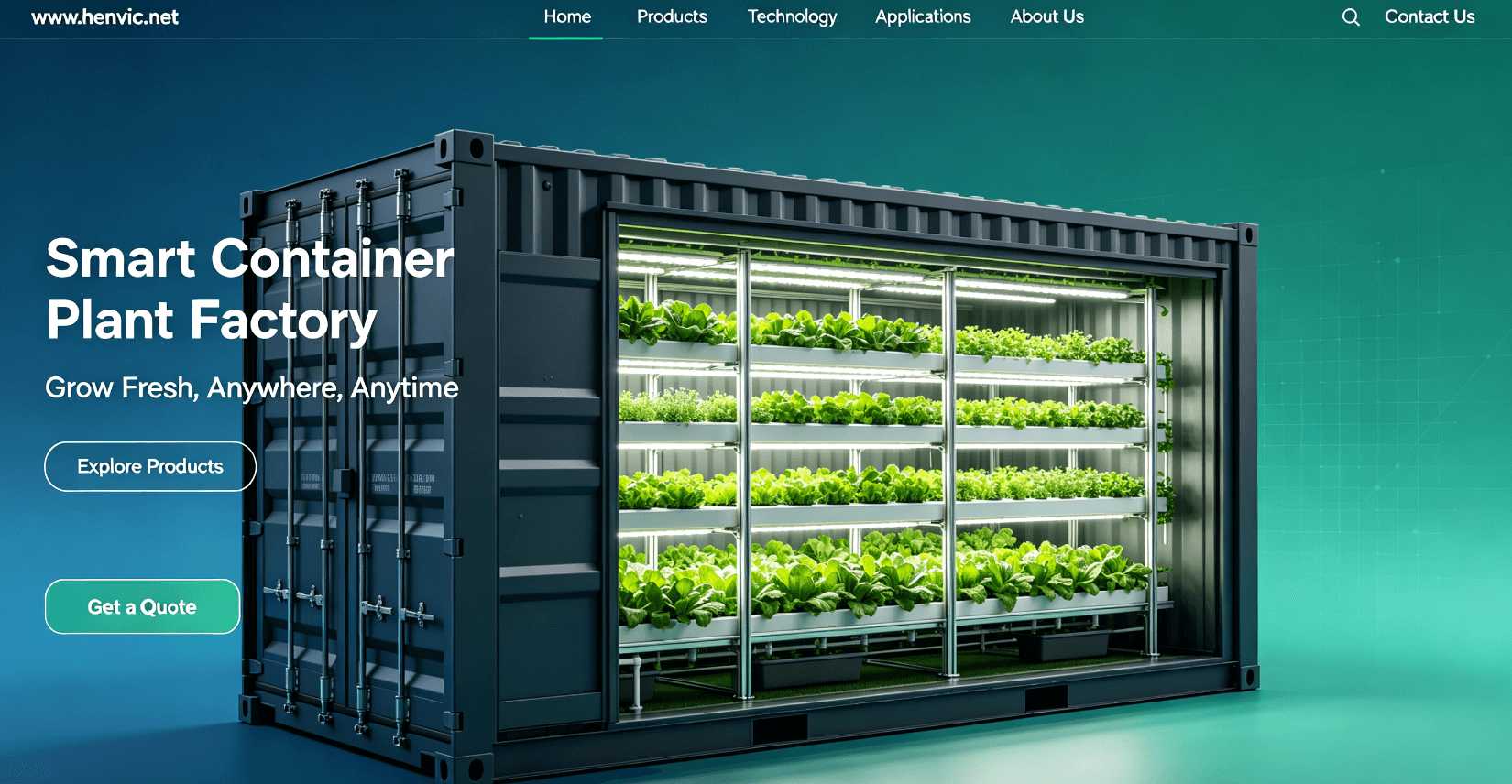
Plant or leafy-green containers form the largest segment. They are vertical, multi-tier machines — typically five to twelve layers — optimised for shallow-rooted, fast-cycle crops harvested as vegetative tissue: lettuce, baby leaf, spinach, kale, arugula, microgreens and tender herbs. Lighting is the dominant subsystem, with tunable multi-channel LEDs delivering 150 to 300 micromoles per square metre per second and daily light integrals of roughly 12 to 20 moles. Their characteristic engineering problem is transpiration management: because the product is nearly 95 percent water and is eaten raw, the box's performance hinges on holding vapour pressure deficit in a narrow band and on hygiene discipline sufficient to release a ready-to-eat crop with no kill step.
Fruiting-crop containers extend the format to strawberry, dwarf tomato, pepper and similar high-value crops. They demand higher photon flux, longer photoperiods, and a stronger spectral shift toward red and far-red to drive flowering and fruit set. They are technically harder and economically narrower than leafy-green units, since the crop occupies the chamber for months rather than weeks.
Mushroom containers diverge most sharply. Here the organism is a heterotroph consuming a prepared substrate, and it passes through two morphologically distinct phases with opposing optima. The industry therefore splits the machine: incubation cells run warm, dark and CO₂-rich at 5,000 to 20,000 parts per million to accelerate colonisation while suppressing competitors, while fruiting cells run cool with aggressive fresh-air exchange to drive CO₂ below roughly 800 to 1,000 parts per million and trigger primordia. Carbon dioxide is treated not as a nutrient to be enriched but as a morphogenetic signal to be driven down. Models further differentiate by cultivation format — bag and block, log, tray, or bottle-line for industrial enoki and king oyster production.
Propagation and nursery containers form a fourth segment, serving seedling raising, tissue culture and research-grade phenotyping, where tight environmental control and contamination exclusion matter more than throughput.
Supply Chain and Value Structure
The industry's value chain runs from component suppliers through integrators to operators, and it exhibits the familiar "two ends high, middle low" distribution.
Upstream sit the component specialists: LED fixture makers, refrigeration and heat-pump manufacturers, dehumidifier and humidifier suppliers, sensor and probe vendors, control-platform developers, and the panel and envelope fabricators. Horticultural LED efficacy, measured in micromoles per joule, is the component-level metric that most directly separates competitive systems.
The middle layer is integration. Container manufacturers procure, configure, install and commission the subsystems, then warrant performance. This is a competitive and relatively transparent stage, and barriers to entry are moderate because the underlying components are widely available. Differentiation rests on thermal and airflow engineering, control software and the depth of the growing-recipe library the integrator can supply. Most established players sell not a box but a kit: envelope, racks, climate plant, controls, commissioning and a starter set of recipes.
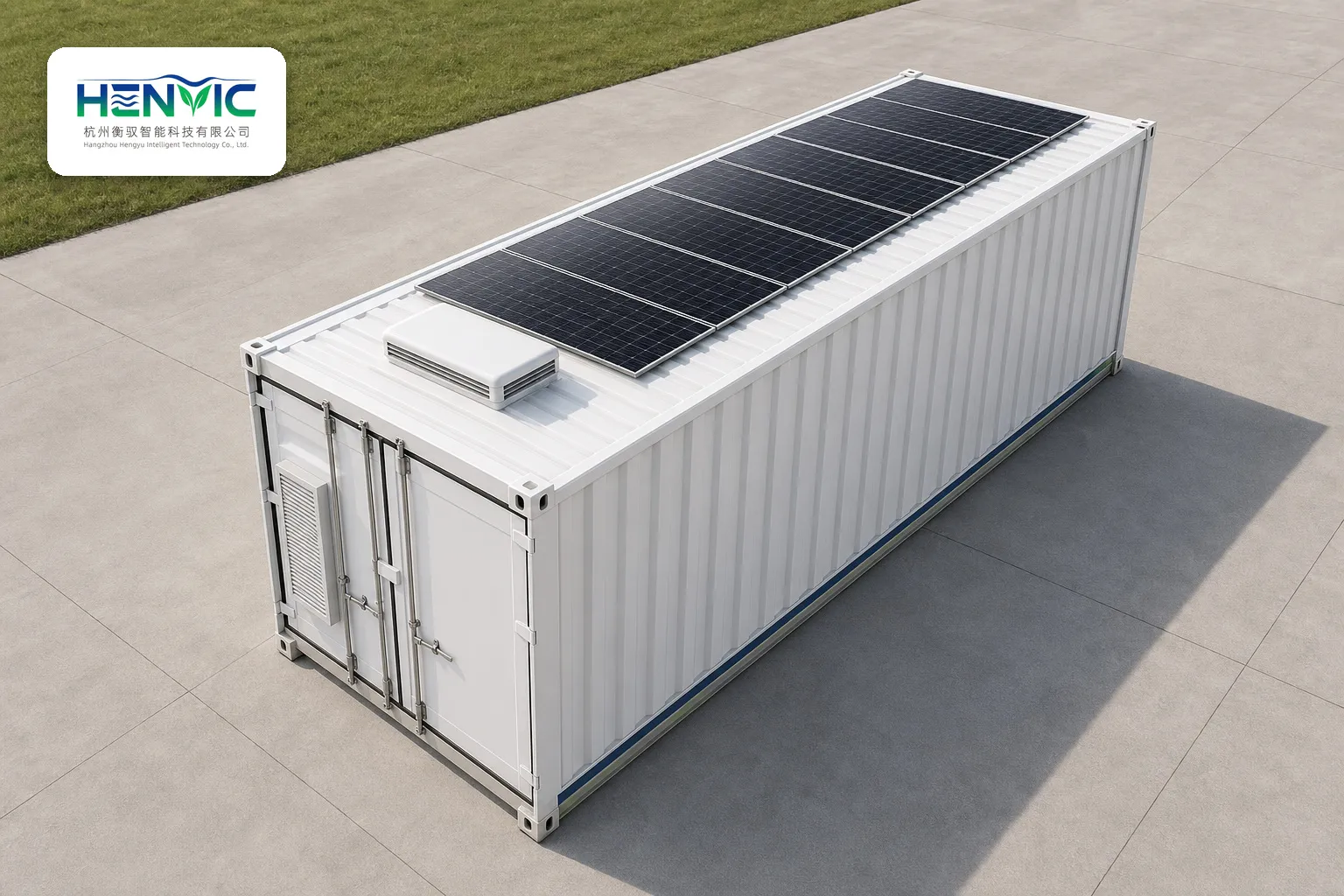
Downstream are the operators: urban and peri-urban food producers, restaurant and grocery groups, research institutions, and specialist suppliers to premium markets. Operating margin depends on crop price, crop cycle length, labour and energy — and energy is the binding constraint. A well-designed twenty-foot leafy-green container commonly draws on the order of 10 to 30 kilowatt-hours per day, dominated by lighting and dehumidification, while fruiting rooms run heavier cooling loads because they must hold cool temperatures for weeks while continuously ventilating. Container economics are therefore inseparable from local electricity tariffs, and photovoltaic coupling, tariff-aware shifting of photoperiod into low-cost hours, and heat recovery from condenser loops are standard mitigations.
Multi-container clusters are the industry's answer to unit economics. Sharing chilled water, CO₂ supply, nutrient infrastructure, sterilisation equipment and control systems across several boxes materially improves capital efficiency and pushes a single container cell from a marginal standalone asset into a viable production module.
Technology Stack and Current Frontier
The technical stack has converged on a recognisable architecture. Insulated envelopes with vapour barriers and reflective linings; positive-pressure cascades with HEPA filtration in clean zones and coarse filtration plus UV in growing rooms; heat pumps providing simultaneous heating, cooling and dehumidification; multi-channel dimmable LED fixtures with dawn-and-dusk ramping; recirculating nutrient delivery in nutrient film, deep water, aeroponic or substrate format; and a PLC or industrial gateway reading arrays of sensors for air and root-zone temperature, humidity, CO₂, PAR, EC, pH and dissolved oxygen, with cloud telemetry and alarm escalation.
Innovation is concentrating where hardware alone cannot solve the problem. The most active fronts are spectral tuning with per-tier control for morphological manipulation rather than simple illumination; model-predictive climate logic that anticipates condensation and tipburn risk from the temperature-humidity trajectory instead of reacting to it; non-destructive canopy sensing through leaf-temperature arrays, chlorophyll fluorescence and machine-vision grading; early contamination detection for fungal systems via volatile-organic-compound or off-gas monitoring; and standardisation of growing recipes and data interfaces so that a crop profile validated in one location can be executed identically elsewhere. Because the biological failure modes — tipburn in leafy greens, green mould during mushroom colonisation, high-CO₂ elongation during fruiting — are well characterised, progress increasingly comes from anticipation and process discipline rather than from larger compressors.
Regulation, Standards and Risk
Three regulatory themes shape the sector. Where containers produce food intended for raw consumption, operators face food-safety regimes comparable to cleanroom manufacturing: potable-standard source water, in-line disinfection of recirculating loops, certified seed with lot traceability, sanitation between cycles, pathogen testing of finished product and full chain-of-custody documentation. Because a shared recirculating system can amplify a single contamination event across hundreds of plants within hours, traceability down to tier, tray and harvest day is a practical requirement rather than a paperwork exercise.
Where containers grow controlled substances or pharmaceutical-grade biological material, licensing and security requirements dominate design, and the industry overlaps with regulated pharmaceutical and cannabis production infrastructure.
More broadly, the sector is exposed to construction-code and zoning variability, since a container may be classified as a building, a temporary structure or industrial equipment depending on jurisdiction, and to product-labelling rules governing claims such as zero-pesticide, organic and locally grown.
Structural Challenges and Direction
The category's limits are well documented and consistent across operators. Energy intensity remains the central constraint, and because harvested mass is largely water, the kilowatt-hour-per-kilogram figure is high relative to field or glasshouse production. Crop mix is narrow: high-value, fast-cycle, compact crops work, while calorie-dense and long-cycle crops do not. Labour access inside a footprint two and a half metres wide caps scale and resists full automation. Single-point component failure — a pump, dehumidifier, chiller or controller — can destroy a full canopy within hours, so redundancy and alarm discipline are worth more than peak performance. And capital cost per kilogram of produce remains high, which means containers compete on freshness, traceability, pesticide-free status, water savings and location rather than on price. Water use, on the other hand, is a genuine advantage: closed-loop systems commonly consume on the order of 90 to 95 percent less water than field production.
The industry's direction points toward several converging lines. Envelope and envelope-sharing models that cluster boxes around shared utilities; heat-pump and desiccant dehumidification with energy recovery; higher-efficacy and more finely tunable lighting; software-defined control with recipe portability and predictive diagnostics; and expansion into propagation, nursery, research and deployable nutrition applications where portability and autonomy matter more than cost per kilogram.
A cultivation container industry is ultimately best understood as a process-engineering industry dressed as a hardware business. Its product is not a box but a reproducible biological process, sealed in a standard envelope, instrumented well enough to be trusted and simple enough to be moved. The companies that endure will be those that treat integration discipline, hygiene architecture and recipe reliability — not enclosure fabrication — as their core competence.