1. Introduction
Spinach (Spinacia oleracea) is a globally cherished leafy green, celebrated for its exceptional nutritional density—rich in iron, vitamins A and K, and antioxidants—and its versatility in culinary applications. As consumer demand for fresh, pesticide-free produce continues to rise, traditional spinach farming faces mounting challenges, including climate volatility, soil degradation, water scarcity, and fragile supply chains. Containerized cultivation technology has emerged as a groundbreaking solution, transforming spinach production into a controlled, scalable, and sustainable practice. By merging precision engineering with advanced horticultural science, these smart containers enable year-round, high-yield harvests while minimizing environmental impact.
2. The Bottlenecks of Traditional Spinach Farming
Open-field spinach cultivation is inherently vulnerable. Spinach thrives in cool, moist conditions but bolts (produces flowers prematurely) under high temperatures, making it highly sensitive to seasonal shifts and extreme weather. Droughts and floods can wipe out entire crops, while soil-borne pests and pathogens often require heavy pesticide use, compromising food safety and ecosystem health. Additionally, long transportation distances lead to significant post-harvest nutrient loss—spinach can lose up to 90% of its vitamin C within 24 hours of harvest—reducing its nutritional value for consumers. Containerized systems address all these pain points by creating a self-contained, optimized growing environment.
3. Core System Design of a Spinach Cultivation Container
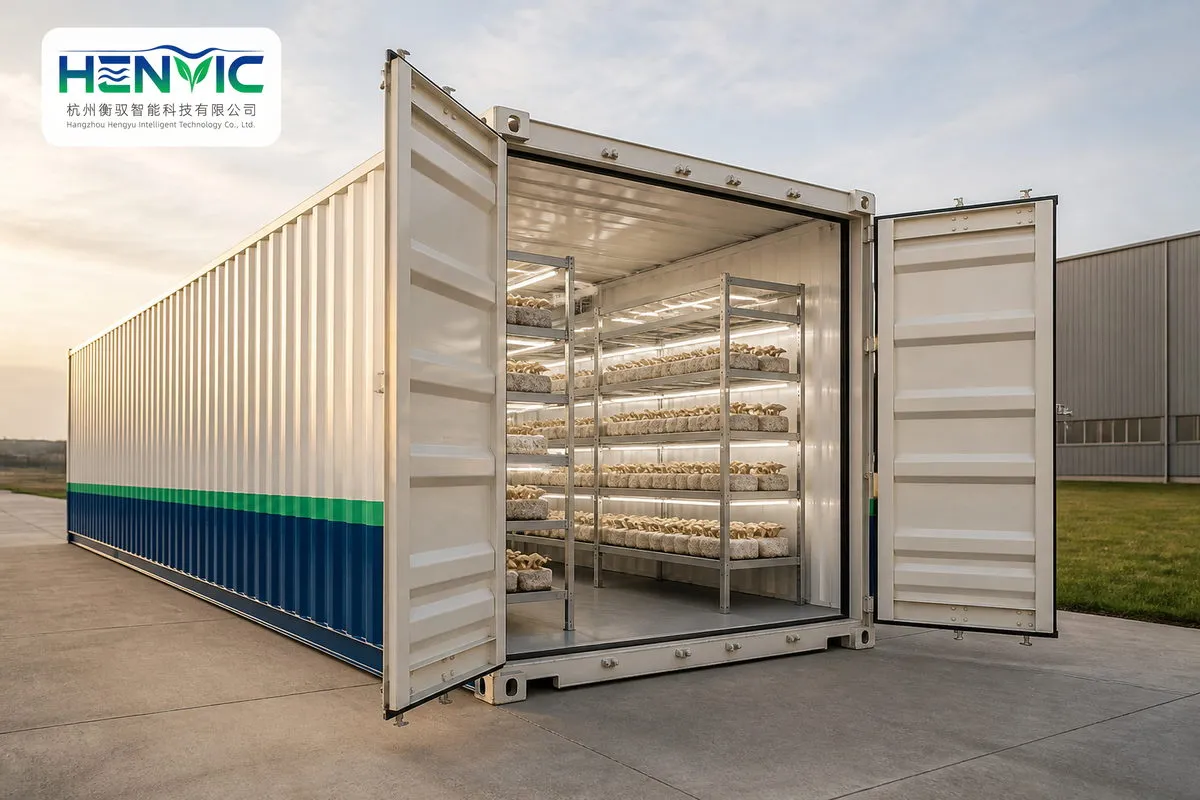
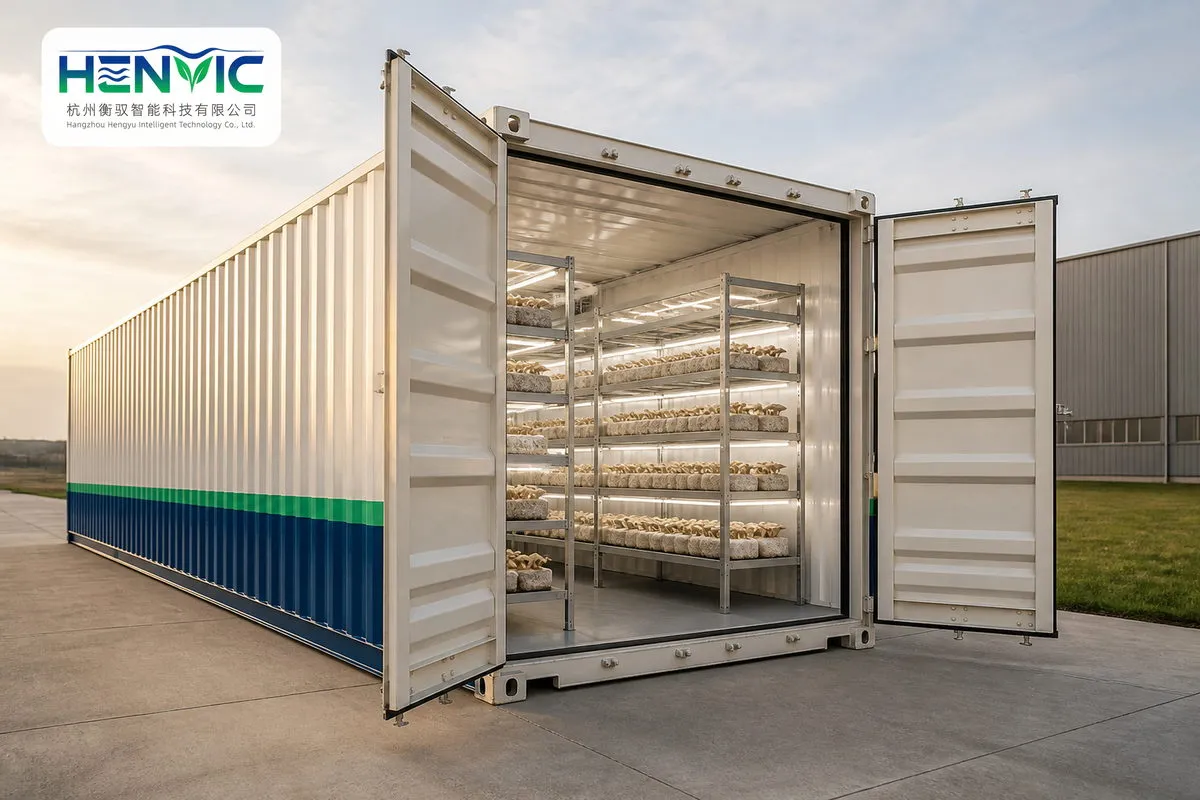
A modern spinach cultivation container is a modular, climate-controlled microclimate engineered to cater to the unique biological needs of spinach. Key components include:
3.1 Insulated, Reconfigurable Enclosure
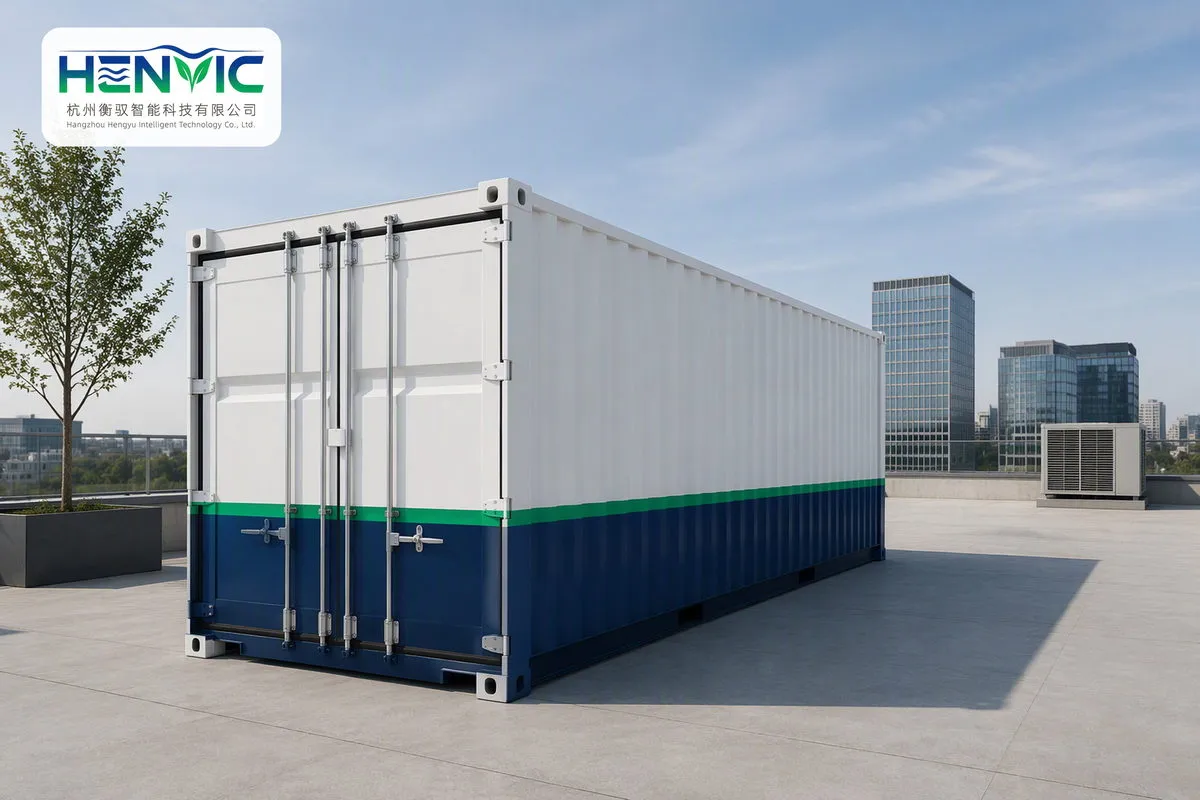
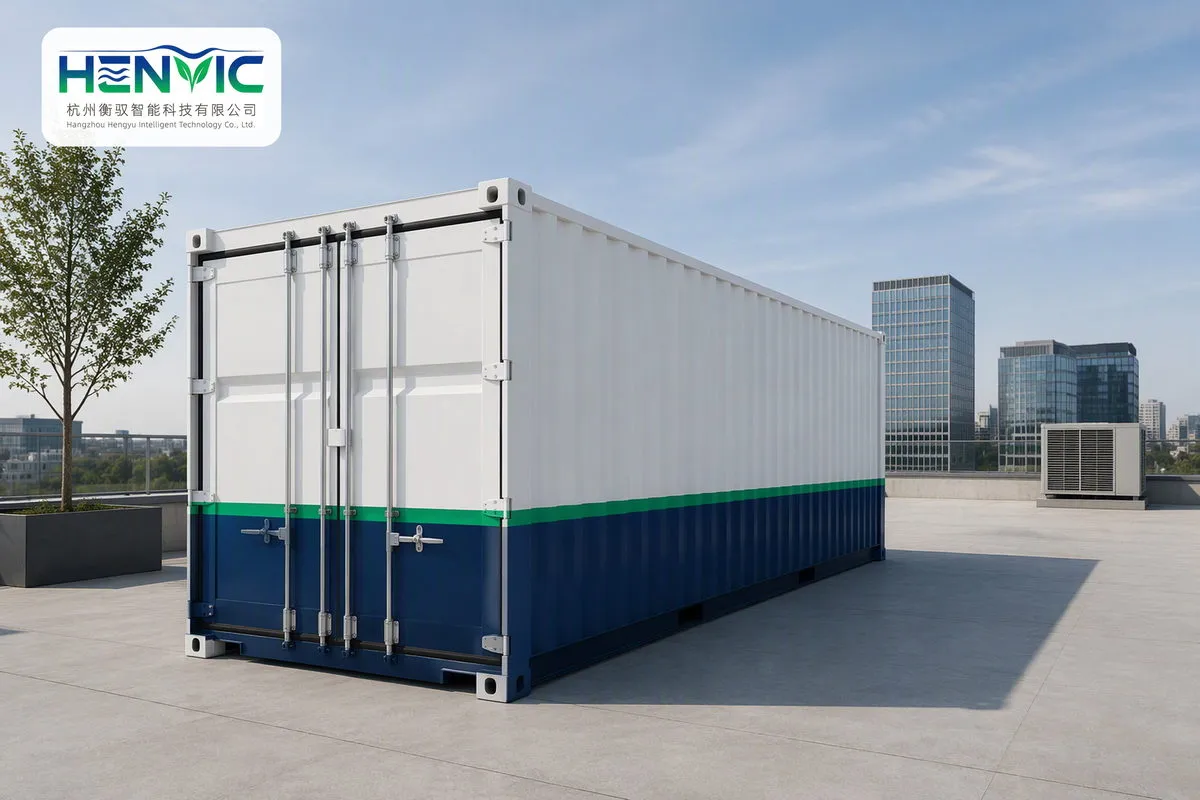
Constructed from durable, food-grade insulated panels, the container maintains stable internal conditions regardless of external weather—be it scorching summers or freezing winters. Its modular design allows for easy stacking, relocation, and scaling, making it ideal for both small-scale urban farms and large commercial operations. The sealed structure blocks pests, airborne contaminants, and soil-borne diseases, eliminating the need for chemical pesticides.
3.2 Real-TimeEnvironmental Monitoring and Automation
The container is equipped with a network of precision sensors that continuously track critical parameters: temperature, humidity, light intensity, CO₂ levels, and nutrient pH. A centralized intelligent control system analyzes this data in real time and automatically adjusts environmental conditions to keep spinach in its optimal growth range. For spinach, this means maintaining daytime temperatures between 18–23°C and nighttime temperatures around 10–15°C, relative humidity at 60–70%, and CO₂ levels around 400–600 ppm for robust photosynthesis.
3.3 Advanced Lighting System
Spinach requires 12–14 hours of quality light daily for optimal growth. The container uses energy-efficient, full-spectrum LED grow lights that mimic natural sunlight while delivering the precise light spectrum spinach needs to develop vibrant, tender leaves. The system can adjust light intensity based on the plant's growth stage—softer light for seedlings and stronger light during the rapid leaf-expansion phase—boosting photosynthesis efficiency and accelerating growth cycles.
3.4 Soilless Cultivation and Water-Nutrient Management
Most spinach cultivation containers use soilless techniques such as hydroponics or aeroponics, replacing unstable soil with controlled nutrient solutions. Hydroponic systems suspend spinach roots in nutrient-rich water, while aeroponic systems mist roots with a fine nutrient spray, ensuring direct nutrient absorption and reducing water usage by up to 90% compared to traditional farming. The system delivers a balanced mix of nitrogen, phosphorus, potassium, and micronutrients tailored to spinach's growth cycle, promoting healthy leaf development and preventing nutrient deficiencies.
3.5 Smart Ventilation and Air Quality Control
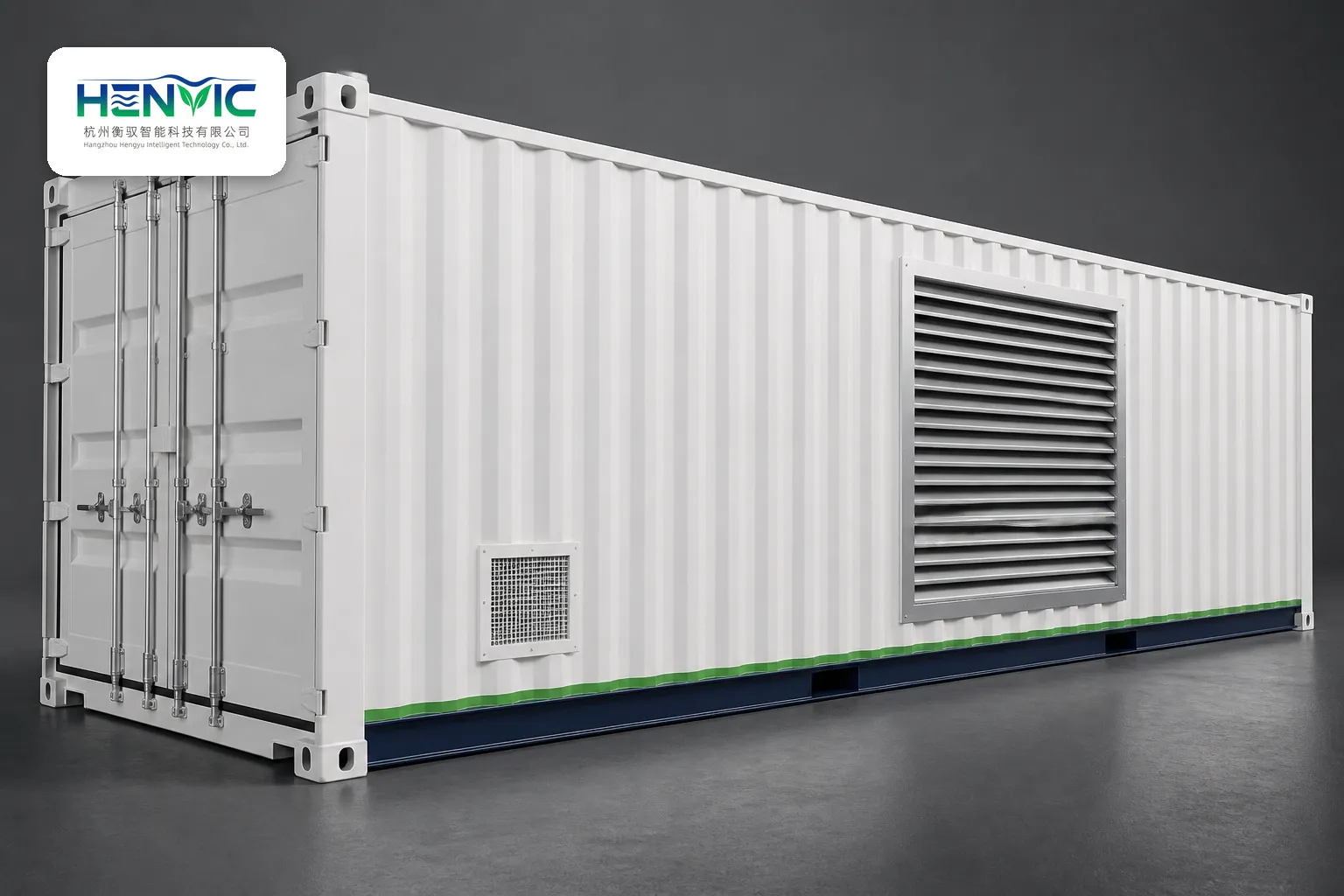
Adequate airflow is vital to prevent fungal diseases, reduce leaf moisture (minimizing spoilage), and replenish CO₂ for photosynthesis. The container's ventilation system uses HEPA filters to purify incoming air, while automated fans maintain gentle air circulation. This controlled air exchange creates a clean, disease-free environment that supports consistent leaf quality.
4. Cultivation Workflow: From Seed to Harvest
Containerized spinach cultivation follows a streamlined, predictable process, with a significantly shorter harvest cycle than open-field farming (typically 25–35 days compared to 45+ days in fields):
1. Seedling Prep & Germination: Spinach seeds are sown in a sterile seedling tray and placed in a dedicated germination chamber within the container, maintained at 15–20°C and high humidity to speed up sprouting. The intelligent system ensures uniform germination within 3–5 days.
2. Vegetative Growth: Germinated seedlings are transferred to the main cultivation area. The system regulates light, temperature, and nutrient delivery to prioritize leaf growth. Under these optimized conditions, spinach develops tender, dark green leaves with no bolting or bitterness, even in summer.
3. Harvest: Once leaves reach 15–20 cm in length (typically 25–35 days post-germination), they are harvested. The container's modular design allows for continuous, rotational planting—after each harvest, new seedlings can be introduced immediately, enabling a constant supply of fresh spinach year-round.
5. Unparalleled Benefits of Containerized Spinach Cultivation
This technology delivers transformative advantages across multiple dimensions:
5.1 Year-Round, Weather-Resilient Production
The container's sealed, climate-controlled environment eliminates dependence on seasons, sunlight, and weather. Spinach can be grown uniformly 365 days a year, ensuring stable supply even during extreme weather events or off-season periods.
5.2 Superior Quality and Safety
By eliminating pests, chemical pesticides, and soil contaminants, containerized spinach is 100% organic-safe. Every leaf is uniform in size, vibrant in color, and packed with nutrients—with higher vitamin and mineral retention than field-grown spinach, as it is harvested and cooled in the same controlled space.
5.3 Resource Efficiency and Sustainability
Closed-loop hydroponic systems drastically reduce water consumption, while the lack of soil eliminates soil erosion and water pollution. Modular, vertical stacking maximizes space utilization—one 40-foot container can produce the equivalent of 1–2 acres of open-field spinach, making production viable in dense urban areas.
5.4 Reduced Carbon Footprint
Localized container farms near urban centers cut transportation distances drastically. Spinach can reach consumers within hours of harvest, minimizing post-harvest losses and reducing reliance on refrigerated long-haul transport.
6. Challenges and Future Innovations
While containerized spinach cultivation has proven highly successful, ongoing advancements further enhance its viability:
• Cost Optimization: High initial investment remains a barrier. Next-gen containers will integrate solar panels, energy storage, and more efficient LED lighting to reduce operating costs and energy consumption.
• AI-Powered Precision: Machine learning algorithms will analyze vast amounts of cultivation data to predict growth patterns, auto-adjust conditions, and detect early signs of stress, further reducing labor and improving yields.
• Enhanced Scalability: Compact, autonomous container designs are being developed for residential and community use, making fresh spinach accessible to households and small communities.
7. Conclusion
Containerized spinach cultivation technology represents a paradigm shift in leafy green production, where ancient horticultural wisdom meets modern engineering precision. By creating a controlled, efficient, and sustainable growing environment, this innovation addresses the core challenges of traditional spinach farming—climate vulnerability, resource waste, and supply chain fragility. As the technology matures and becomes more accessible, it empowers growers, entrepreneurs, and communities to produce high-quality, nutritious spinach anywhere, anytime. In doing so, it paves the way for a more resilient, eco-friendly, and food-secure future, where fresh, healthy produce is no longer limited by geography or season.