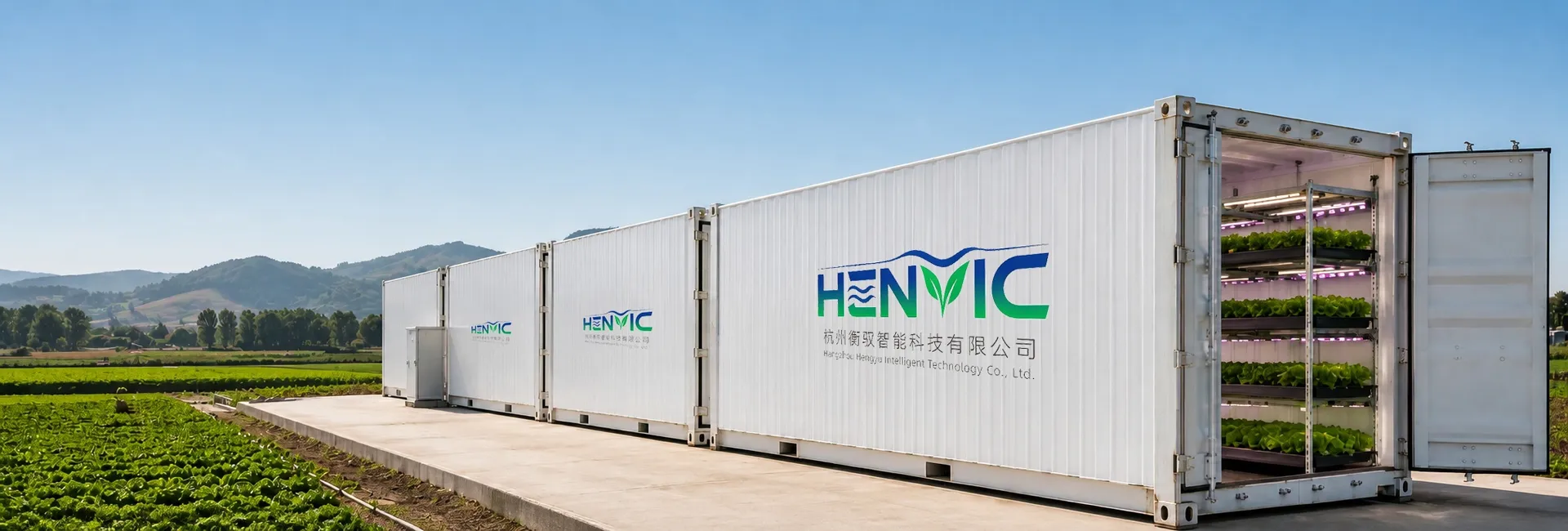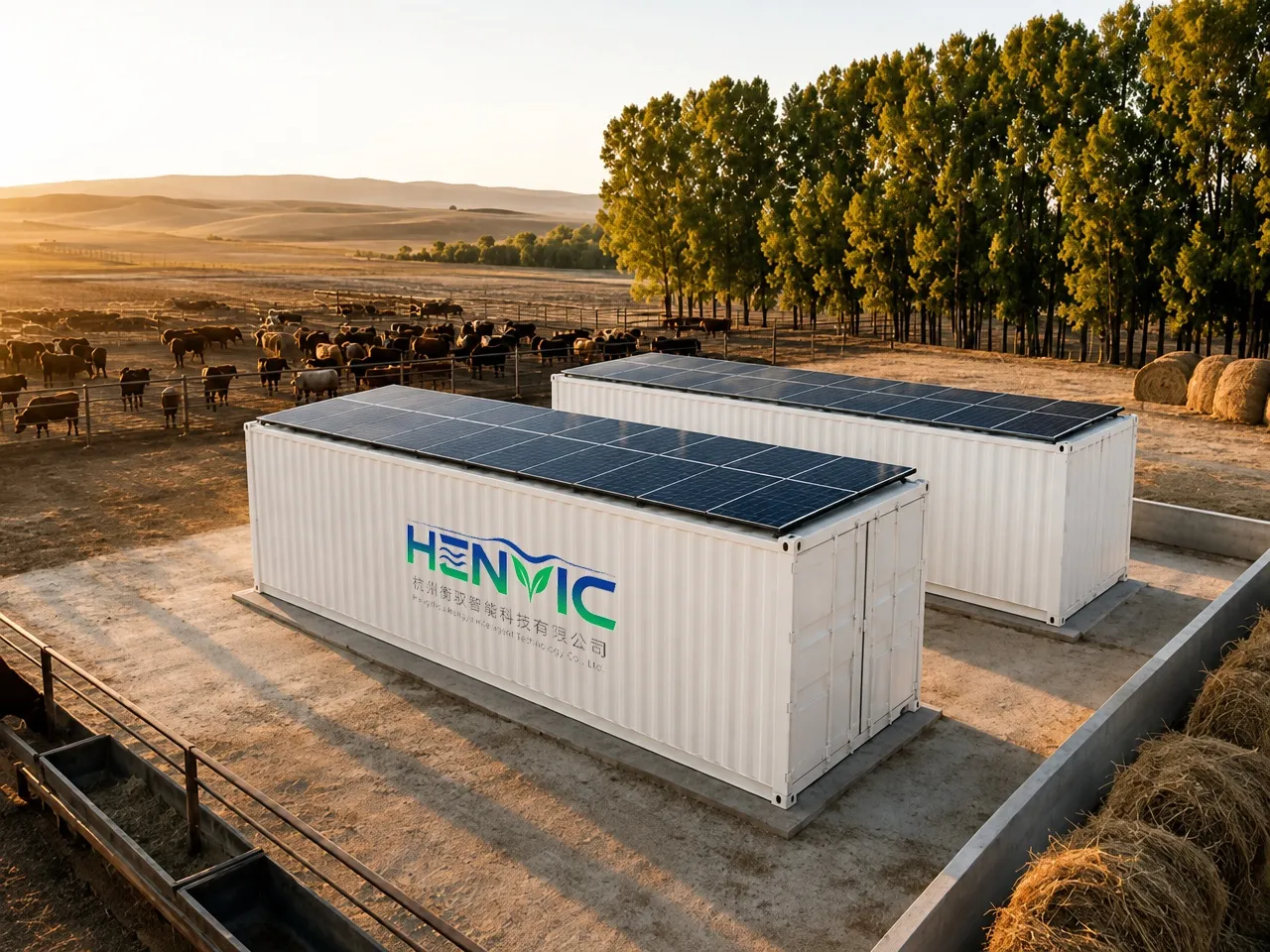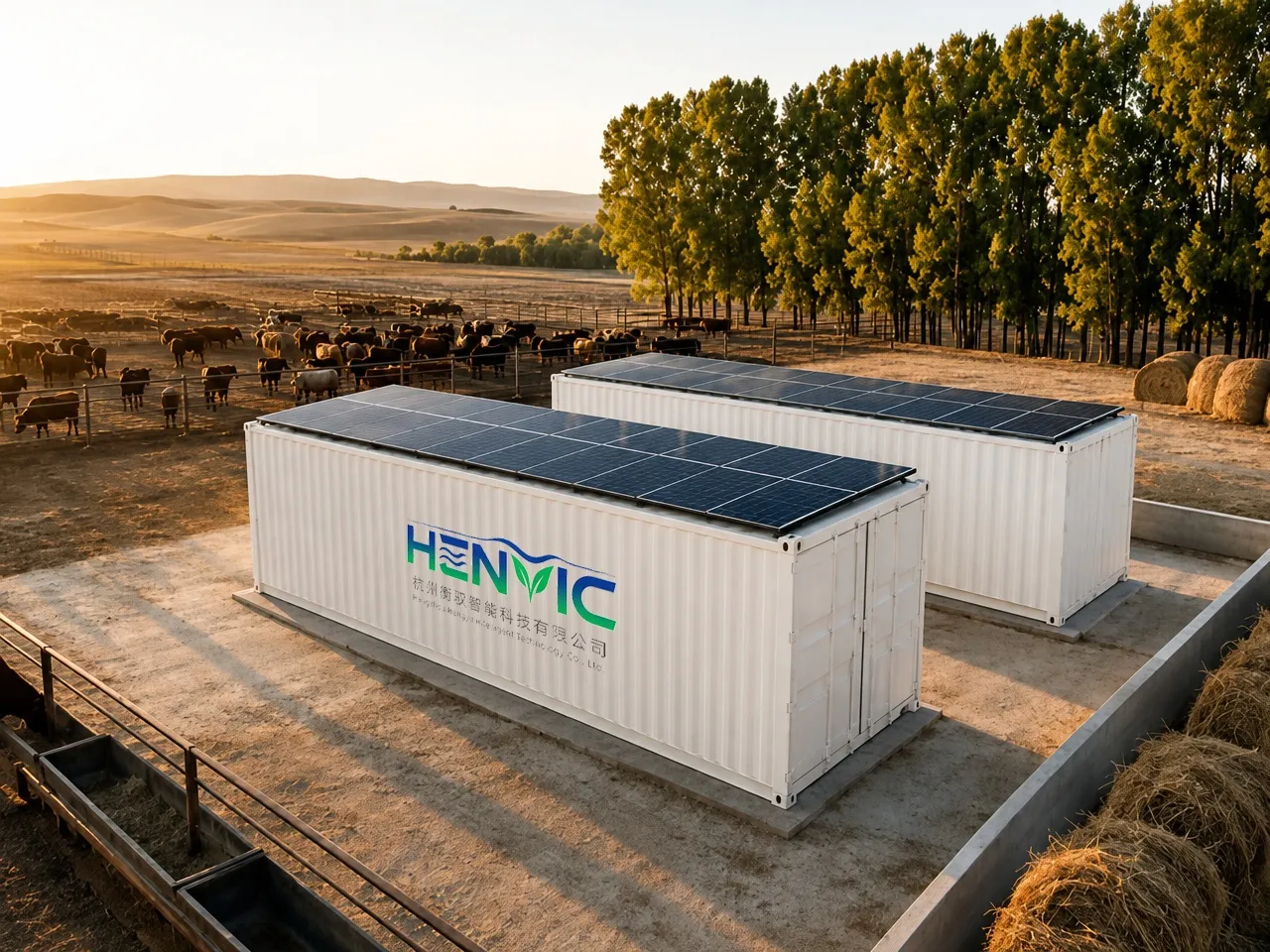
Container agriculture converts a standard 20- or 40-foot shipping container into a sealed, relocatable, climate-controlled growing system. Its purpose is not to replace open-field farming but to answer a narrower question: how do you produce fresh food reliably where land is scarce, climate is hostile, or supply chains are fragile?
The central insight is that a container is not primarily a greenhouse. It is a controlled environment. Every variable that weather would normally dictate—temperature, humidity, light, carbon dioxide, airflow—becomes an engineering parameter. That shift moves the discipline away from agronomy and toward systems integration.
A working unit rests on five subsystems. The envelope provides structural rigidity and, once insulated and sealed, climate isolation. The environmental control system manages temperature, humidity, CO₂, and air movement in concert. Artificial lighting replaces sunlight with recipes tuned to specific crops. A water and nutrient delivery system circulates solution through hydroponic or aeroponic channels. Finally, a control platform ties sensors, actuators, and data into a feedback loop.
The advantages are structural rather than incremental. Water consumption can fall to a small fraction of field levels because solution recirculates. Pesticide use drops sharply when pests cannot enter. Growing cycles become predictable, with no season, no rain, and no frost. A container can be placed near the point of consumption, collapsing the distance between harvest and plate.
The limitations are equally structural. Energy is the dominant cost, since lighting and cooling run continuously. Crop range is narrow—leafy greens, herbs, and microgreens are economically comfortable, while staple grains cannot compete on energy per calorie. And the system has little tolerance for failure: a single control fault can destroy an entire crop.
What container farming ultimately demonstrates is a shift in what agriculture optimizes for. Traditional farming maximizes yield per hectare; container farming maximizes yield per unit of predictability, per unit of water, and per unit of distance. Those are different objectives, and they suit different problems. The technology is best understood not as a replacement for the field, but as an addition to the toolkit for places where the field cannot reach.