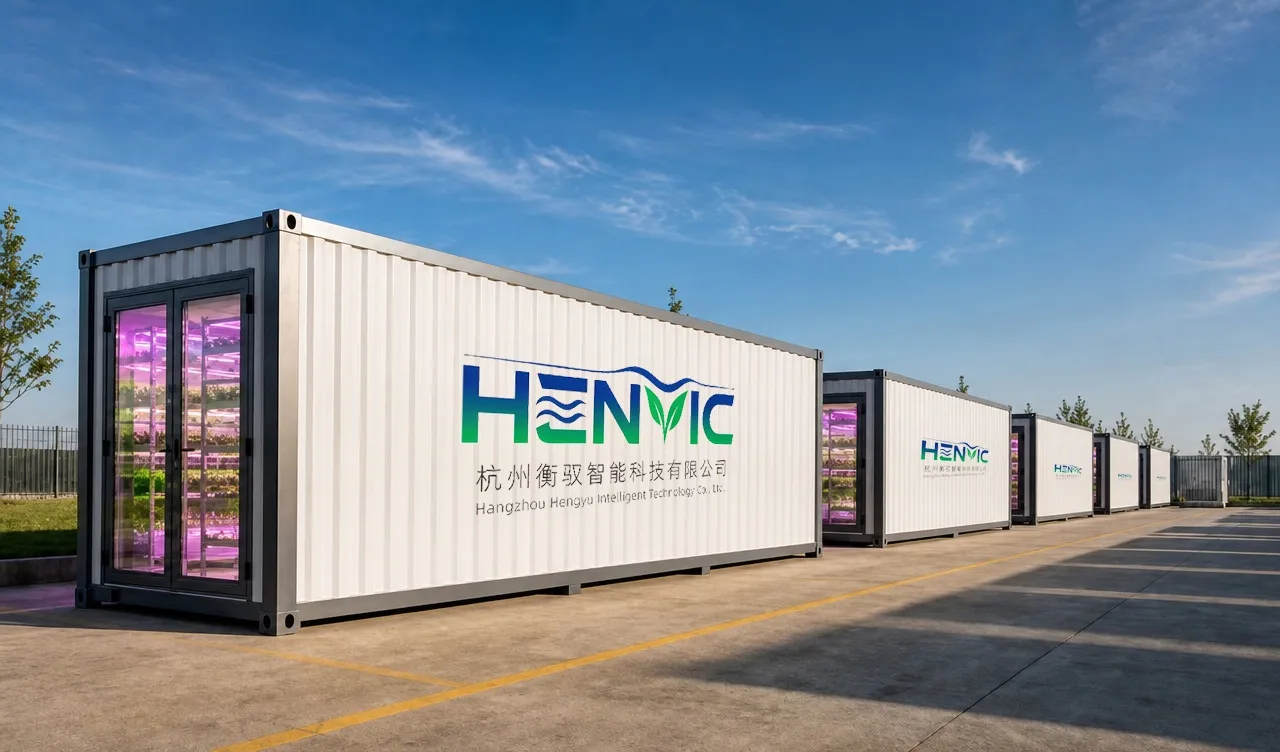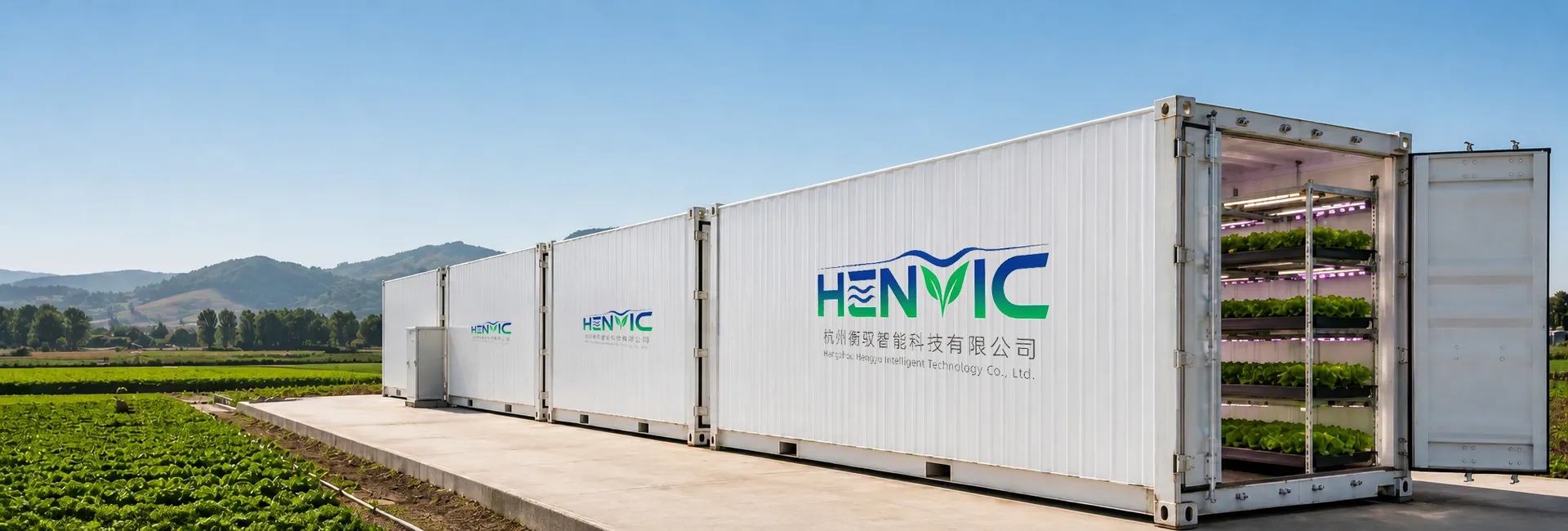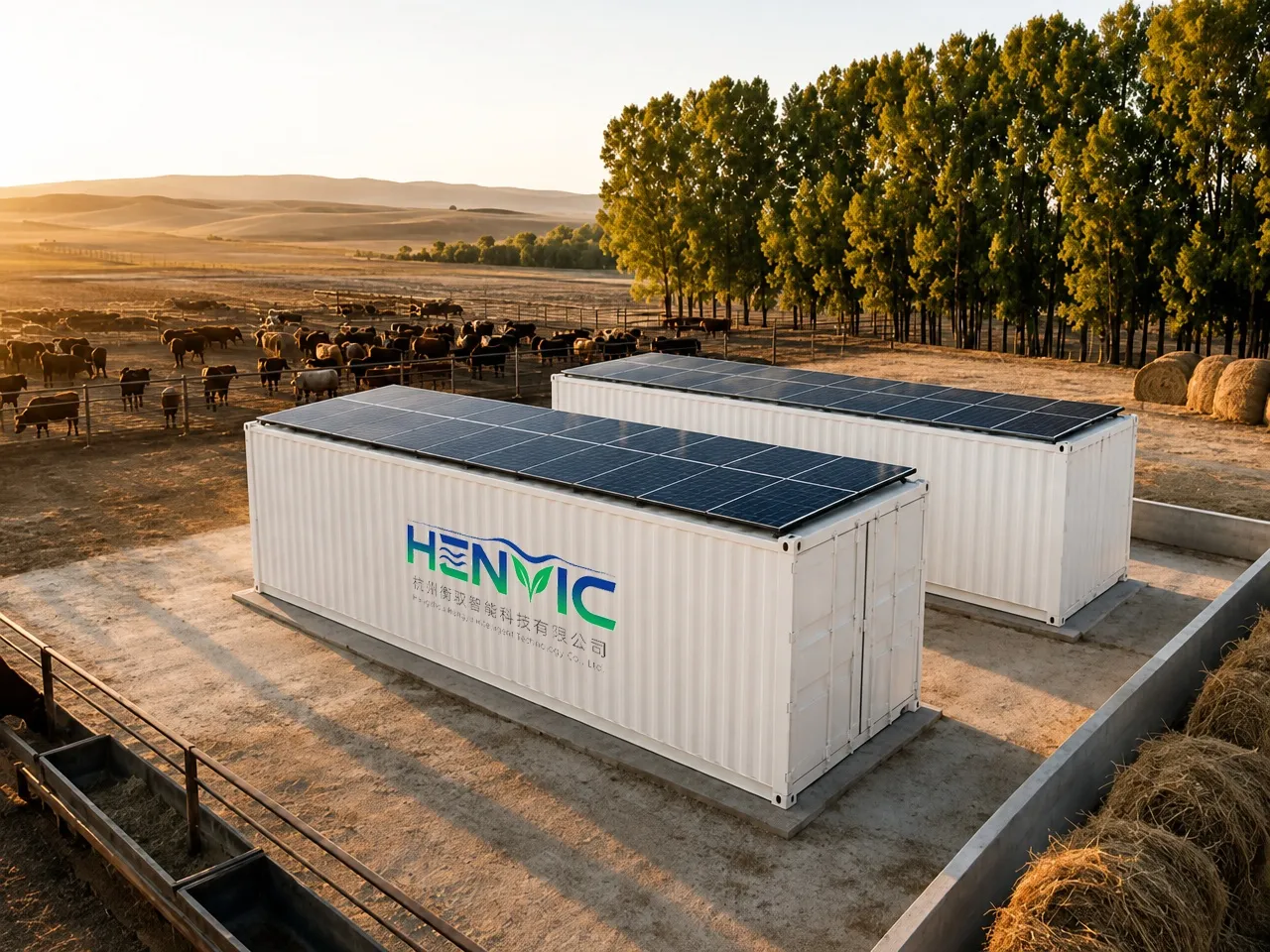
40 ft Mushroom Container Deer Horn Mushroom Programme
PRODUCT OVERVIEW
A 40 ft mushroom container (12 x 2.45 x 3 m) takes 3,200 standard bags per cycle. For Deer Horn Mushroom, the cycle is 30 days, 1 flush per bag, 0.5 kg per bag, 1,600 kg a month and 19,200 kg a year.
Filtered fresh air enters under positive pressure with CO2 monitoring, meeting the oxygen demand of fruiting while limiting wild spores and competitor moulds.
A rare species with a high process threshold, single flush per bag, suited to premium dining and gift channels.
Exporters and cold-chain hubs place the unit beside the packhouse so Deer Horn Mushroom is cooled, graded and boxed immediately after harvest.
CROP AND OUTPUT DATA
Species | Deer Horn Mushroom (Rare) |
Cultivation | Bag cultivation |
Flushes | 1 flush |
Growing cycle | 30 days |
Yield | 0.5 kg per bag |
Load per cycle | 3,200 bags |
Monthly output | 1,600 kg |
Annual output | 19,200 kg |
Cycles per year | 12 |
Figures follow the 40 ft mushroom container baseline: 3,200 bags per cycle, or 83 m² of compost bed for button mushroom. Output is an estimate and varies with substrate quality, fruiting climate and harvest practice.
KEY ADVANTAGES
· Each unit runs independently, so parallel containers do not interfere.
· Output is directly calculable: 3,200 bags per cycle, 0.5 kg per bag.
· Filtered fresh air under positive pressure limits wild spores and competitor moulds.
· Bag supply and process training are included, so production starts on a batch basis.
· A 30-day cycle and 12 cycles a year allow the schedule to be split weekly.
· 1,600 kg a month and 19,200 kg a year let supply be planned backwards from contracts.
· Loading and harvest zones are separated to keep people and product flows apart.
· Species recipes are called from the controller, so a variety change needs no rebuild.
CONTAINER CONFIGURATION
Footprint | 12.0 x 2.45 x 3.0 m (40 ft container) |
Growing system | Bag cultivation |
Load per cycle | 3,200 bags |
Temperature | 12 - 24 °C, set per species |
Relative humidity | 85 - 95% during fruiting |
CO2 and fresh air | Capped per species; filtered air under slight positive pressure |
Lighting | Staged lighting for cap form and colour |
Humidification water | Softened to limit mineral spotting on caps |
Control and monitoring | PLC, touchscreen HMI, remote monitoring and alarms |
Delivery | Pre-commissioned at the factory, set and connected on site |
CLIMATE AND CONTROL
Humidification water is softened to limit mineral deposits on caps; floor drainage collects at one point, and cleaning uses fogging rather than heavy washing.
The refrigeration loop handles cooling and dehumidification while the humidification loop adds moisture independently. That split keeps high humidity without relying on low temperature, so caps neither dry nor sweat.
CULTIVATION AND SCHEDULING
Deer Horn Mushroom runs in 30-day batches - loading, pinning, fruiting, harvest - with 3,200 bags moving together and one harvest scheduled each week to level labour.
The standard schedule assumes 3,200 bags per unit and 30-day batches, giving 12 cycles a year. With several units, stagger loading weekly so harvest, packing and cleaning do not collide.
DELIVERY, TRAINING AND SERVICE
The site needs a hardstanding, three-phase power and water; after setting, services are connected and the envelope checked for leaks before commissioning.
Warranty covers the envelope and insulation for 24 months and refrigeration, humidification, controls and fresh-air plant for 12 months, with extension available.
FREQUENTLY ASKED QUESTIONS
Where do the substrate bags come from?
Bags can be bought from industrial substrate suppliers or made in an on-site preparation area. Bag prices vary widely by species; secure rare-species supply in advance.
How much mushroom does one unit produce in a year?
With 3,200 bags per cycle, one unit yields 708 - 1,920 kg a month and 8,500 - 23,040 kg a year depending on species. For Deer Horn Mushroom: 0.5 kg per bag per bag, 1,600 kg a month, 19,200 kg a year.
How many units can one operator manage?
One operator can cover daily rounds and harvest coordination for two to three units, with extra hands at loading and harvest peaks.
How is contamination prevented?
Three layers: filtered air under positive pressure, incoming bag inspection, and between-batch sanitation. Suspect bags are isolated before entering the fruiting room.