Introduction
Mushroom cultivation, also known as mushroom growing, is the process of deliberately producing mushrooms for food, medicine, or environmental purposes. With a history spanning thousands of years, it has evolved from rudimentary empirical practices into a highly controlled, scientific, and technologically advanced field. Today, a rigorous understanding of fungal biology and precise environmental control is essential for efficient, high-yield, and sustainable mushroom cultivation.
I. Basic Biology and Cultivation Principles
To successfully cultivate mushrooms, it is crucial to recognize that a mushroom is not a plant. It belongs to the kingdom Fungi and relies on different biological mechanisms for growth. The entire lifecycle of a mushroom involves several distinct stages, which growers must understand and manage:
Spawn (Mycelium)
- Filamentous Network: The foundational stage is the mycelium—a branching, thread-like organism that absorbs nutrients from the substrate. Spawn refers to the inoculated material (such as grains, sawdust, or plugs) carrying this living mycelium.
- Inoculation: Introducing spawn into a sterilized substrate is called inoculation. The viability and purity of the spawn dictate the success of the entire crop, making sterile techniques indispensable.
Substrate (Growing Medium)
- Nutritional Source: The substrate serves as the primary nutritional foundation for the fungus. Different mushroom species have specific substrate requirements.
- Common Materials: Sawdust (supplemented with wheat bran, soybean meal, or sugars), straw, composted manure, or specialized synthetic blends are widely used.
Primordia (Pinning) and Fruiting Body Formation
- Environmental Triggers: When the mycelium fully colonizes the substrate, it becomes a "fully colonized" block. To induce fruiting, triggers such as a sudden drop in temperature, increased fresh air exchange, and a slight increase in humidity are required.
- Fruiting Body: This is the visible, reproductive part of the fungus (the cap and stem) that we harvest for consumption.
II. Cultivation Techniques by Different Mushroom Types
Various mushroom species require distinct cultivation approaches. Below are the techniques for the three most widely cultivated mushrooms:
1. Oyster Mushrooms (Pleurotus ostreatus)
- Substrate Preparation: Pasteurize straw or use supplemented sawdust blocks. Pasteurization involves heating the substrate to around 60-80°C to eliminate competitors without destroying its nutritional value.
- Inoculation: Mix spawn thoroughly into the substrate.
- Incubation: Keep in a dark, warm environment (24-28°C) with high humidity, allowing the white mycelium to colonize the entire block in roughly 2-3 weeks.
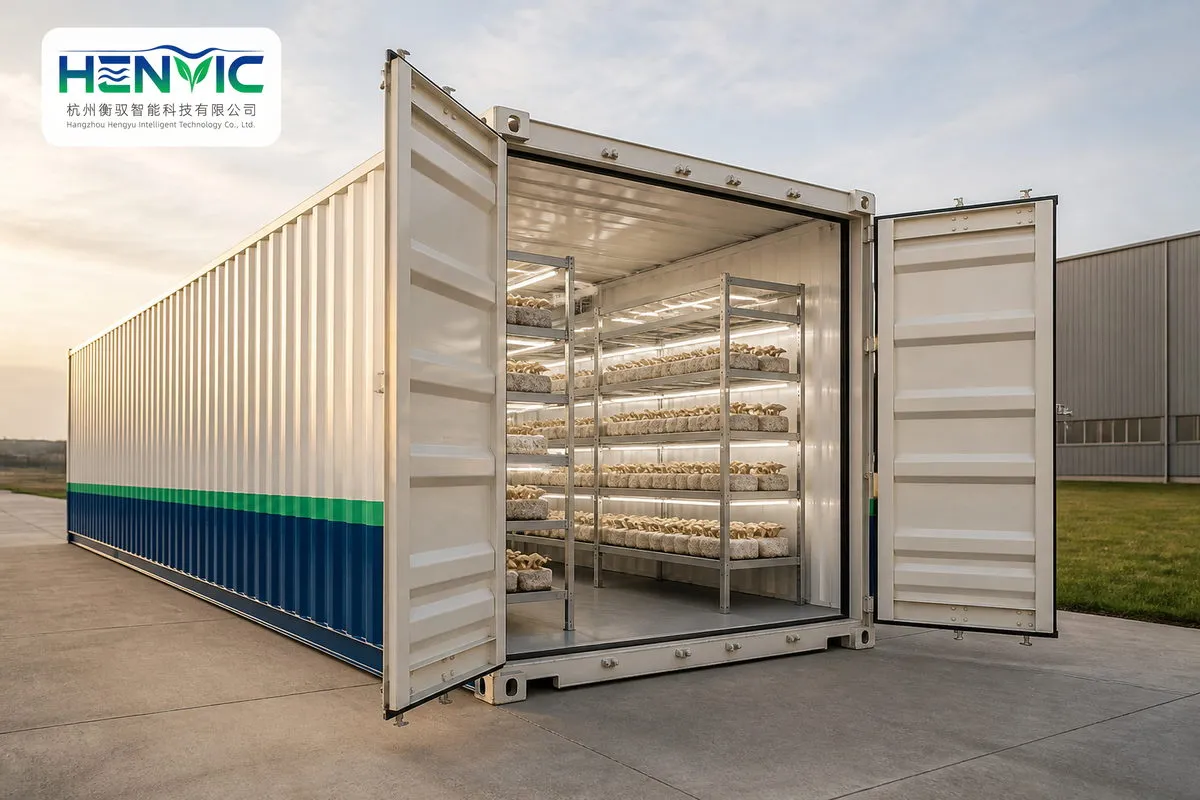
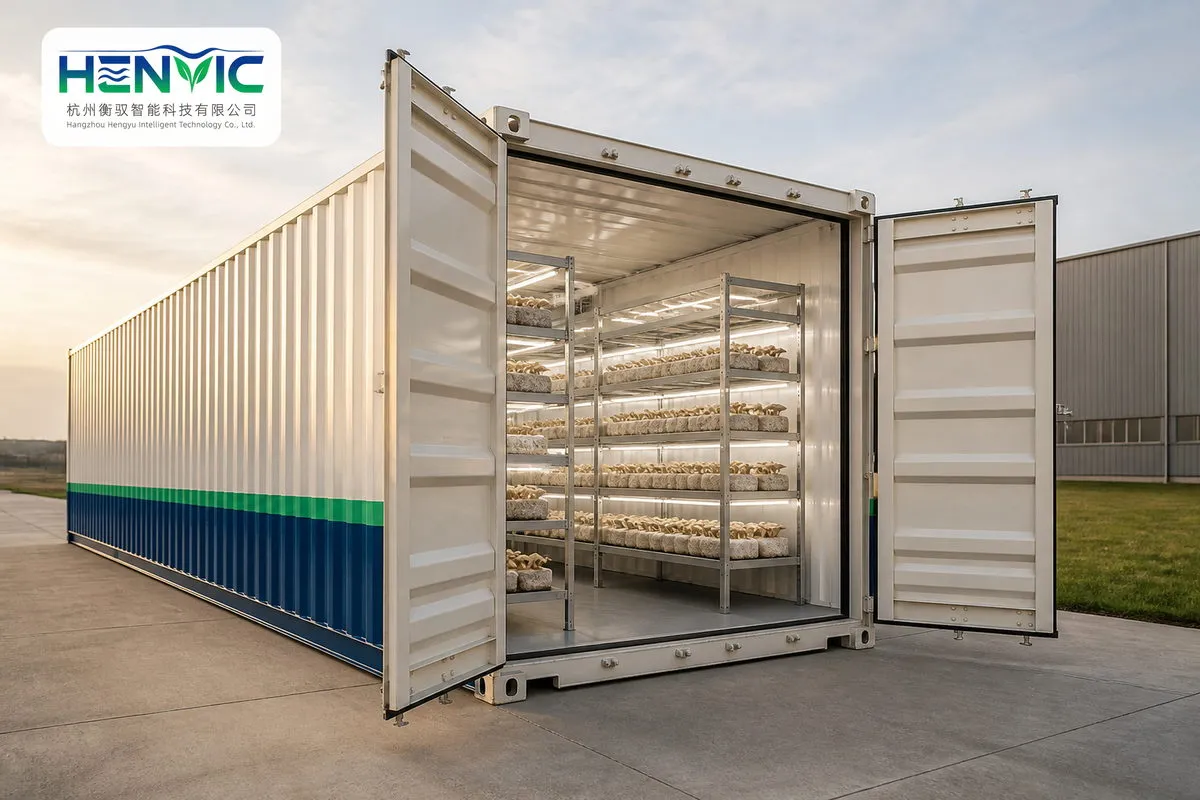
- Fruiting: Move to a fruiting chamber, expose to low light, fresh air, and maintain 85-90% humidity. Harvest can occur within 2-3 weeks.
2. Shiitake Mushrooms (Lentinula edodes)
- Substrate: Traditionally grown on solid hardwood logs (like oak or maple), but modern methods often use supplemented sawdust for faster, year-round production.
- Log Cultivation (Traditional): Drill holes into the logs, insert spawn plugs, and seal with wax. This method takes 6 months to 2 years.
- Indoor Block Method: Compressed sawdust blocks are sterilized (not just pasteurized), heavily inoculated, and fruited indoors under highly controlled conditions, allowing for high yields in a smaller space.
3. Button Mushrooms (Agaricus bisporus)
- Substrate Preparation: Button mushrooms require a rich, composted substrate. This involves a complex, highly nutritious compost-making process involving phase I (phased heating) and phase II (conditioning), heavily monitored for temperature and ammonia levels.
- Casing Layer: After the mycelium colonizes the compost, a thin layer of moisture-rich soil or peat (the casing layer) is added. This layer is critical for triggering pinning.
- Harvest: Grown in climate-controlled indoor facilities, button mushrooms are highly sensitive to carbon dioxide levels. Frequent ventilation is required to keep CO₂ low, ensuring the caps remain round rather than elongating.
III. Key Environmental Control Parameters
Successful mushroom cultivation is highly dependent on managing specific environmental parameters. The "Big Four" parameters must be monitored daily:
Temperature
- Different stages require different temperatures. Mycelium typically grows best at warmer temperatures (22-26°C), while fruiting bodies usually require cooler temperatures to stimulate pinning and proper cap development.
Humidity
- The air relative humidity in the fruiting chamber must be maintained between 80% and 90%. Low humidity causes the mushroom caps to dry out or fail to develop fully.
Light
- While the mycelium prefers absolute darkness, most fruiting body formation requires some light to trigger. Low-intensity light is often sufficient.
Fresh Air / Ventilation
- Mycelium growth requires minimal air exchange to prevent drying. However, during the fruiting phase, mushrooms breathe oxygen and release carbon dioxide. Inadequate ventilation leads to elongated, thin stems and misshapen caps. Growers use fans and HVAC systems to regulate CO₂ levels.
IV. Common Challenges and Risk Management
Mushroom cultivation is a delicate balance. Several factors can lead to crop failure if not managed properly:
- Contamination: The most common issue. Bacteria and molds (such as Trichoderma) can easily outcompete the mushroom mycelium. Maintaining strict cleanliness, sterilizing equipment, and handling substrate in a clean environment are vital preventive measures.
- Pest Infestations: Small insects (like fungus gnats), mites, and nematodes are naturally attracted to the nutrient-rich environment. Comprehensive physical and biological pest management is necessary.
- Physiological Disorders: Issues like "dry bubble" (a condition causing tiny, deformed caps) or "stripe" (excessive melanization on the cap) are typically caused by sudden drops in temperature or abrupt environmental fluctuations.
V. Future Trends and Sustainability
The mushroom industry is constantly evolving, with several emerging trends shaping its future:
- Circular Economy: The industry is increasingly adopting agricultural and industrial waste (e.g., cocoa husks, spent coffee grounds, agricultural straw) as substrates, significantly reducing environmental footprint and waste.
- Automation and Smart Farming: Traditional labor-intensive farms are transitioning to automated environmental control systems (IoT devices), allowing real-time monitoring of temperature, humidity, and CO₂ via mobile devices.
- Precision Fermentation and Genetics: Advances in biotechnology allow for breeding highly resilient, fast-growing strains that are specifically adapted to local climates and industrial cultivation facilities.
- Functional Foods: The cultivation of medicinal mushrooms (like Reishi, Turkey Tail, and Lion’s Mane) is surging, driven by the growing demand for nutraceuticals and herbal supplements.
Conclusion
Mushroom cultivation is an intricate interplay of biology, environmental science, and meticulous management. By mastering the lifecycle of fungi, understanding the specific needs of different species, and utilizing modern environmental control systems, cultivators can achieve bountiful and sustainable yields. Whether cultivated in modest home setups or large-scale industrial facilities, mushrooms offer immense value for global nutrition, health, and environmental sustainability, making this ancient practice an essential pillar of modern agriculture.