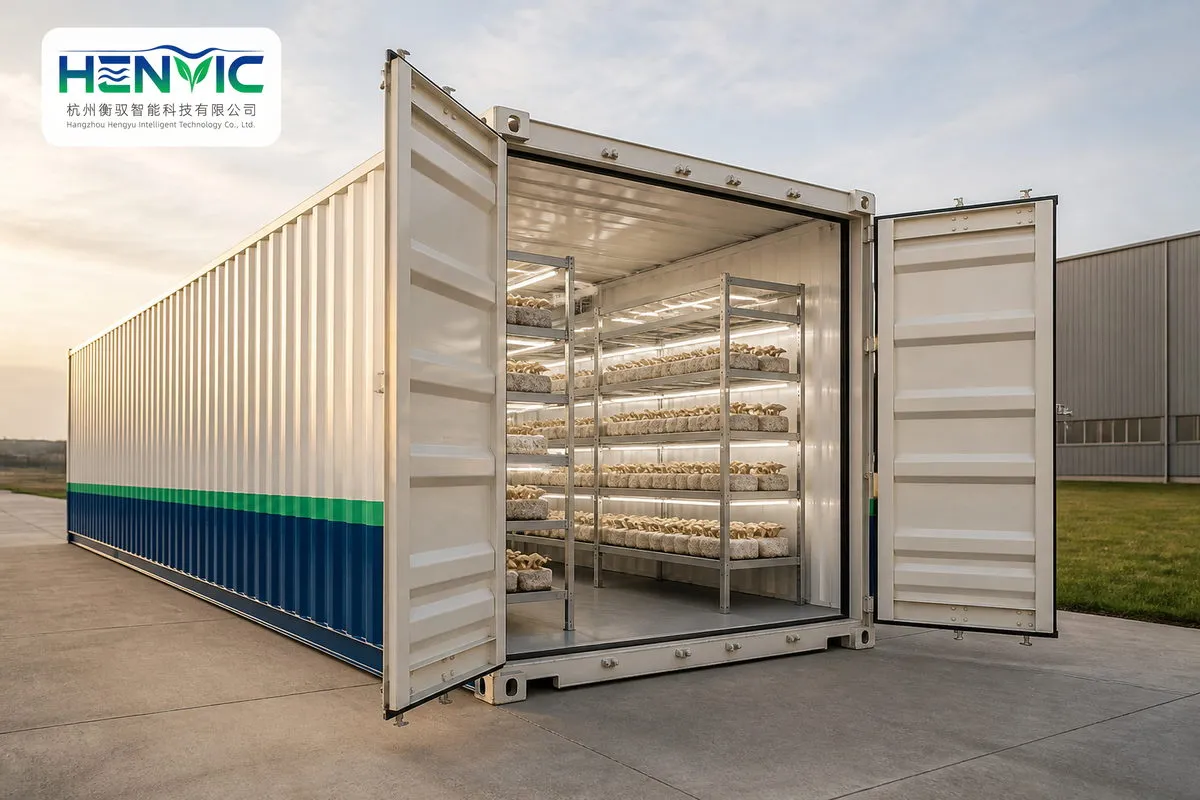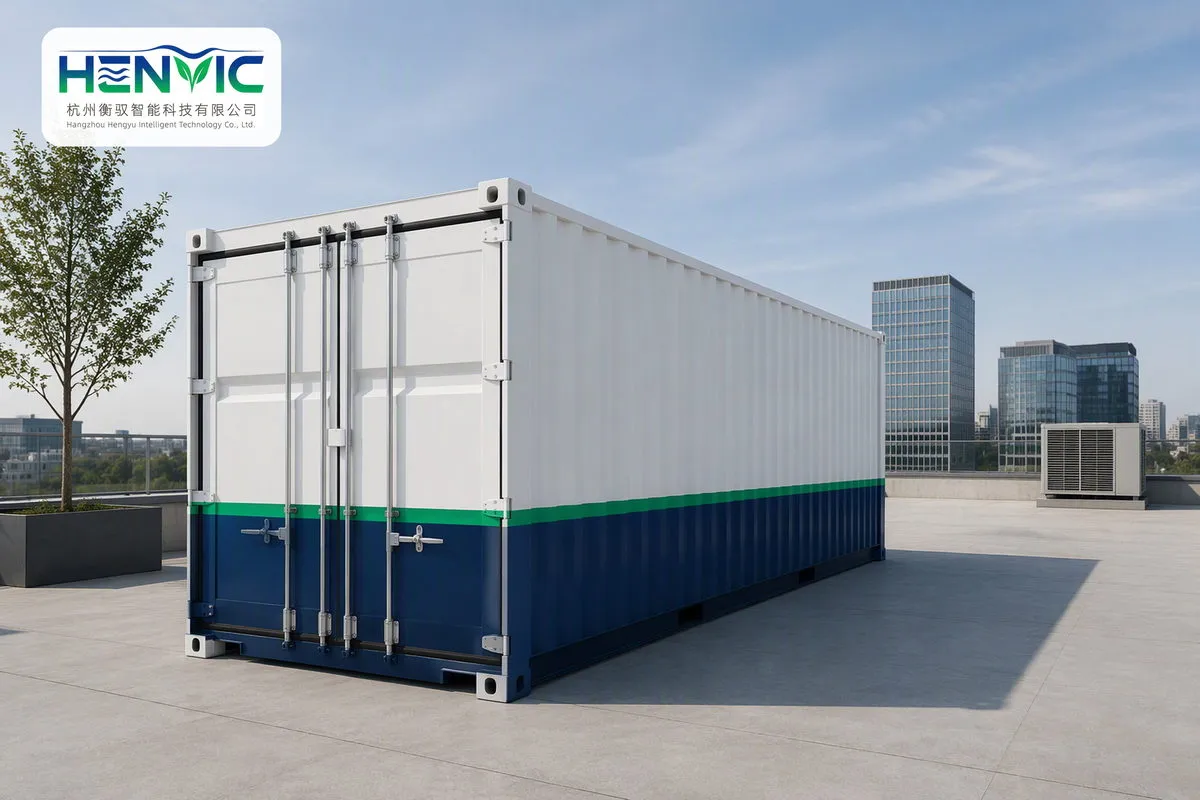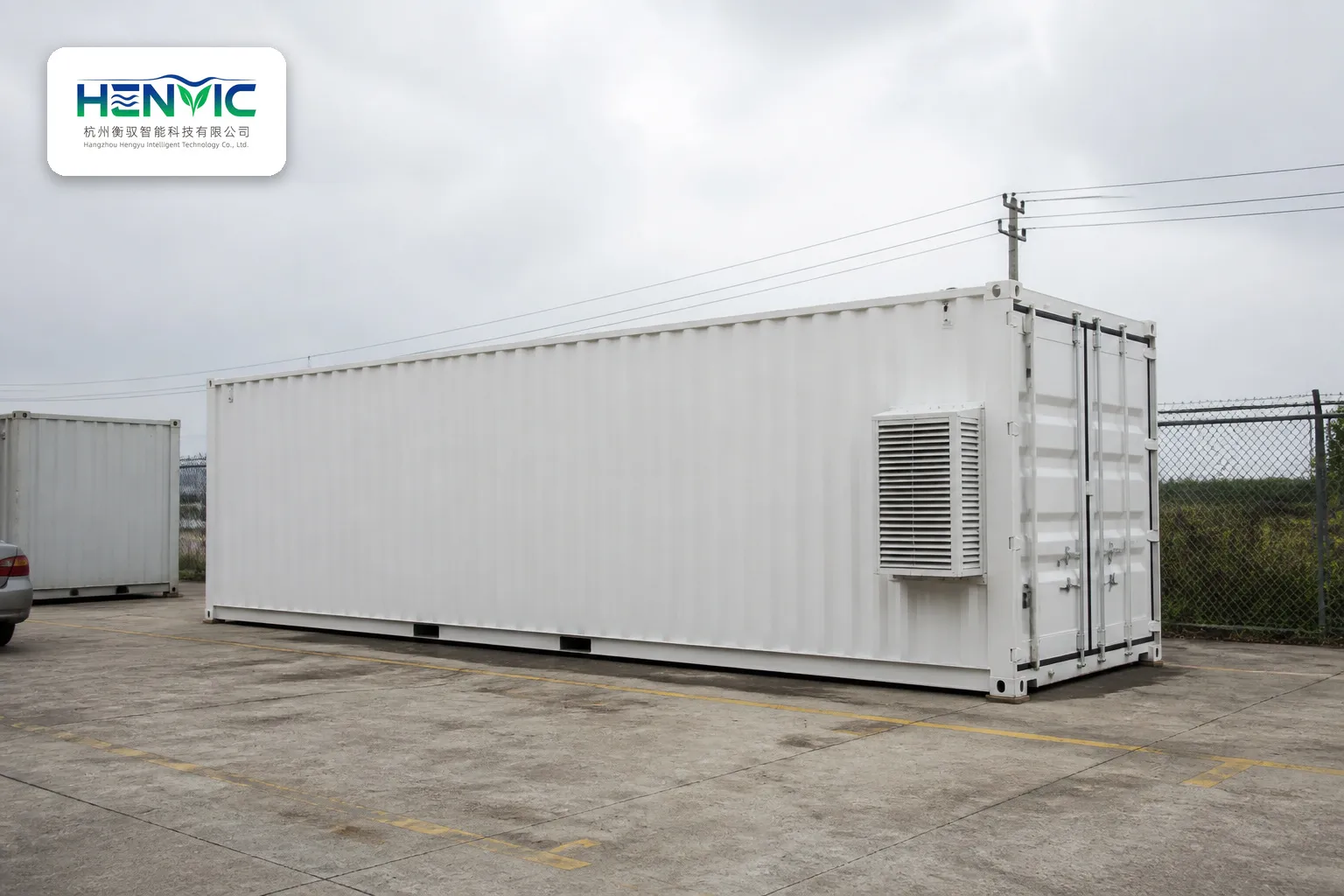
Vegetable cultivation cabins are closed or semi-closed plant growth systems that integrate environmental regulation, nutrition supply, physical support and intelligent control. They can independently simulate the sunlight, temperature, humidity, air, water and soil conditions required by vegetable growth, completely getting rid of natural climate constraints, so that vegetables can grow healthily under stable and controllable conditions all year round. Its core working principle is built around the growth logic of vegetables, and carries out precise management of all elements in the cabin, realizing the standardized and intelligent production of vegetable cultivation.
1. Core Principle:Full-Dimensional Simulation of the Natural Growth Environment
The fundamental principle of vegetable cultivation cabins is to artificially construct a micro-environment highly suitable for vegetable growth by precisely regulating each factor. In the wild, vegetable growth relies on the combined effects of natural light, temperature, humidity, air flow, water and nutrients, but natural conditions are often affected by seasons, regions and weather, making them unstable and hard to control. The cultivation cabin breaks through this limitation by means of technical means, turning the natural growth environment into a controllable closed system, and dynamically adjusting each environmental parameter according to the growth stage, variety and cultivation needs of vegetables, so as to create the optimal growth conditions for vegetables.
2. Light Environment Regulation Principle
Light is a fundamental energy source for vegetable growth, and the color, intensity and photoperiod of light directly affect the photosynthesis efficiency, shape and taste of vegetables. The light source system inside the cultivation cabin abandons the dependence on natural light, and is usually equipped with full-spectrum LED plant growth lamps. These lamps can emit light waves of different wavelengths according to the light demand characteristics of vegetables.
Among them, blue light is used to regulate the growth of vegetables to promote the formation and robustness of stems and leaves; red light is used to promote the accumulation of nutrients in vegetables, improve fruit setting rate and flavor; ultraviolet light is used to sterilize and disinfect, reduce the occurrence of pests and diseases. The light source system is combined with an intelligent control device, adjusts the light intensity according to the growth stage of vegetables, dynamically changes the photoperiod to simulate day and night alternation, so that vegetables can maintain continuous and stable photosynthesis, completely solving the problem of slow growth caused by insufficient light in winter or continuous rainy days.
3. Environmental Regulation Principle of Temperature and Humidity
Temperature and humidity are core factors that affect vegetable growth metabolism. The cultivation cabin is equipped with a high-precision environmental control system, which dynamically regulates the internal temperature and humidity according to the temperature and humidity preferences of different vegetables. The temperature regulation system balances heating, ventilation and cooling functions through air conditioners, heating devices and thermal insulation structures, keeping the temperature fluctuation range within the optimal range for vegetable growth.
In winter, the cabin is heated and kept warm to prevent vegetables from being damaged by freezing; in summer, it is cooled through ventilation and cooling equipment to avoid the inhibition of vegetable growth caused by high temperatures. The humidity regulation system is linked with water spraying, ventilation and dehumidification devices. When the air inside the cabin is too dry, it sprays fine water mist to maintain humidity. If the humidity is too high and causes waterlogging or disease, it is discharged through ventilation and dehumidification. Precise control of temperature and humidity ensures the normal occurrence of vegetable metabolism, avoids the impact of adverse climate, and provides a stable thermal and moist environment for growth.
4. Air and Ventilation Regulation Principle
Vegetables need carbon dioxide for photosynthesis and oxygen for respiration during growth. The cultivation cabin is equipped with a ventilation and air exchange system, which continuously introduces fresh air, discharges stale air, and dynamically adjusts the content of carbon dioxide inside the cabin. In the vegetative growth stage, the system can appropriately increase the concentration of carbon dioxide, accelerate photosynthesis, and promote healthy growth and yield improvement of vegetables.
Meanwhile, the ventilation system can adjust the air flow inside the cabin, avoid the accumulation of high temperature and high humidity gas around vegetables, reduce the occurrence of pathogenic bacteria, keep the air inside the cabin fresh, and ensure the normal exchange of gases required by vegetables, so that they can maintain vigorous vitality .
5. Water and Nutrient Supply Principle
The cultivation cabin abandons traditional soil cultivation, and adopts soilless cultivation mode such as hydroponic method or aerosol cultivation, realizing the precise supply of water and nutrients. The central water supply and fertilization system automatically prepares nutrient solution according to the nutrient demand proportion of different vegetables, and dynamically adjusts the concentration, pH value and temperature of the nutrient solution.
The nutrient solution is transported to the root system of vegetables through spraying, drip irrigation or circulatory pipeline. After utilization, it is recycled, filtered and reused, which not only saves water and fertilizer resources, but also avoids the pollution caused by pesticides and fertilizers, reduces environmental load. The precise supply of water and nutrients allows the vegetable root system to fully absorb the required nutrients, avoids the problem of uneven nutrient distribution and unstable yield in soil cultivation, and provides sufficient material for vegetable growth.
6. Closed Circulation and Intelligent Control Principle
The entire working process of the vegetable cultivation cabin is formed in a closed circulation system, which wraps the growth environment of vegetables all the year round, effectively blocking the interference of external pests, diseases and dust, and greatly reducing the probability of pests and diseases. On this basis, the cabin is equipped with an intelligent control platform, which connects sensors of temperature, humidity, light, carbon dioxide and other parameters, and automatically collects and analyzes internal environment data.
The system can automatically start corresponding equipment according to the growth stage of vegetables and the set parameters, and complete regulations such as light supplementation, temperature control, ventilation, water and fertilizer supply, without the need for a large number of manual patrol inspection and operation. The whole process is highly automated and controllable, which not only improves the efficiency of vegetable cultivation, but also ensures the consistency of product quality, realizing the standardization and industrialization of vegetable cultivation.
In conclusion, the working principle of vegetable cultivation cabins is to accurately simulate the natural environment required by vegetables through the coordinated operation of multiple systems, achieve the precise management of each growth factor, provide a stable and optimal growth environment for vegetables, and break through the limitations of natural conditions. This technology not only improves the efficiency and quality of vegetable cultivation, but also makes it possible to produce healthy and safe vegetables in non-traditional cultivation areas such as deserts, islands and high-altitude places, and brings new solutions to modern vegetable production.